

By 2036, today’s students will be making decisions that shape businesses, communities, governments, and culture. The technologies they’ll use may be impossible to predict. The questions they’ll face are not.
We asked five Tulane School of Liberal Arts professors to pose one question (and answer) they believe today’s students should already be asking as they look toward the next decade. Their questions reflect different disciplines and different perspectives, but together they point toward a shared way of engaging the world: with curiosity, discernment, intellectual courage, and a willingness to wrestle with complexity.
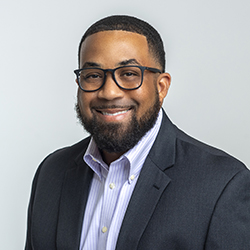
What kind of leaders will we need?
“Discernment, communication, influence, adaptability, and ethical judgment are five key qualities that will define effective leadership in a world of uncertainty across communities and organizations over the next decade. Individuals who can communicate with purpose, build trust, influence others, adapt to change, and collaborate across differences will thrive in this changing environment. As technology advances, ethical judgment will become increasingly important, helping leaders determine not only what is possible but also what is responsible.”
— Marcus Coleman, Louise and Leonard Riggio Professor in Social Entrepreneurship, Program Director and Professor of Practice, Strategy, Leadership, Analytics Minor and Economics.

What will make us irreplaceably human?
“Forecasting into the future, communication skills will be more important than ever. AI will increase efficiency, but it can never replace humanity. What will differentiate job applicants is their ability to collaborate with others, listen with empathy, and be present in the moment. Which is why all students should take an acting class!”
— Jenny Mercein, Associate Professor, Theatre & Dance

What kind of citizens will democracy require?
“By 2036, the most urgent liberal arts skill will be political discernment: the ability to recognize how power, propaganda, algorithms, and institutions interfere with our minds and lives. Democracies will depend on people who can resist manipulation, communicate truthfully, adapt collectively, and make ethical judgments in defense of human rights and dignity. Education can and must prepare us for a new civil rights era.”
— Scott Nolan, Senior Professor of Practice, Political Science

How can gathering help us think better?
“A crucial skill for 2036 will be the ability to bring people together to think well. Meaningful gatherings cultivate attention, foster good question-asking, build friendships, and help communities generate ideas that no individual would have discovered alone. As technology increasingly mediates our lives, the art of creating meaningful, memorable, valuable gatherings is paramount.”
— Georgi Gardiner, Associate Professor, Philosophy
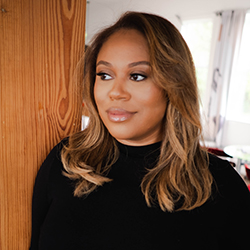
How will we know what’s true?
“Generative AI is atrophying our command of language as a literacy crisis worsens. Healthy skepticism, curiosity, and inquiry matter more than ever. We are trading these skills for insatiable instantaneity. We must relentlessly parse information, articulate and revise our views, and resist misinformation. To think for ourselves is an act of dignity that also enables us to advocate for the most vulnerable.”
— Ko Bragg, Professor of Practice, Communication