
How the Tulane Global Humanities Center is making New Orleans a crossroads for the world’s most important conversations.
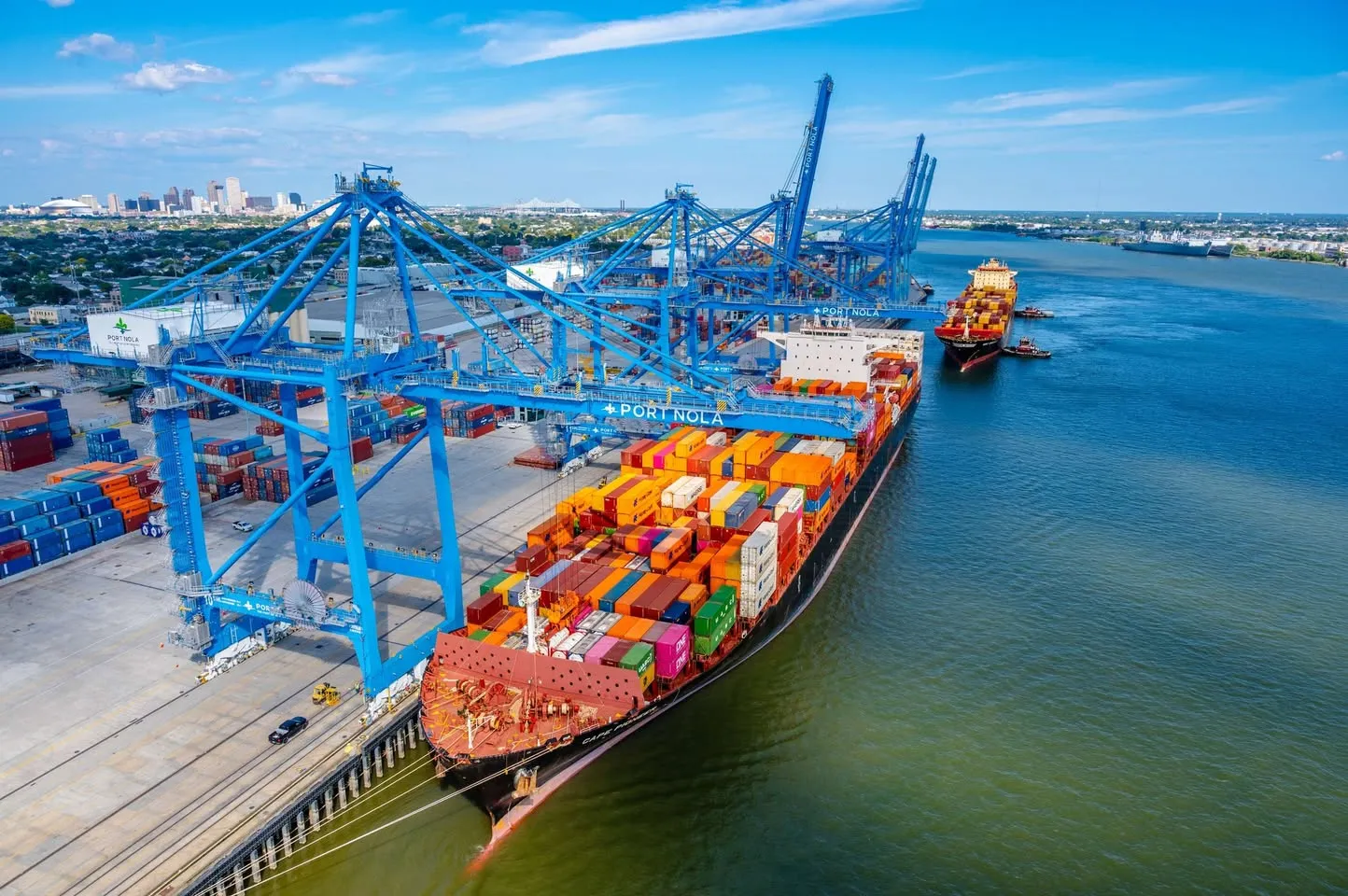
New Orleans has always been a city in conversation with the world. Situated at the mouth of the Mississippi River, it has long been a vital crossroads for goods, people, and ideas, shaped by cultural exchange, environmental vulnerability, and constant adaptation. Few places better illustrate the complexities of our interconnected world.
This year, we expanded our global reach. Public Culture, the internationally recognized journal published by Duke University Press, officially moved to the Tulane Global Humanities Center (TGHC). This transition establishes the School of Liberal Arts as the new home for one of the humanities' leading forums for interdisciplinary scholarship. Co-edited by Brian T. Edwards, dean of the School of Liberal Arts, and Vyjayanthi Rao, the journal joins a center founded on the belief that today's most pressing questions demand organic conversations across disciplines, cultures, and borders.
Located here in New Orleans, TGHC offers a distinctive vantage point. Rather than organizing our work around traditional academic boundaries, we view the center as a sandbox for ideas. We build unexpected exchanges between scholars, artists, architects, writers, and practitioners whose work reveals new ways of understanding global challenges.
Our philosophy comes to life through this collaborative programming. One recent event brought together Shennette Garrett-Scott, professor of History and Africana Studies, and Michael Cohen, founding director of the Grant Center for the American Jewish Experience. They explored the intersecting histories of Black financial institutions and Jewish commercial networks to see how they shaped belonging and economic opportunity. Rather than presenting parallel research, the two scholars directly responded to one another's work, uncovering new ideas in the spaces between their disciplines.
Another event paired New Orleans artist Hannah Chalew with ethnomusicologist Ana María Ochoa Gautier. Together, they highlighted unexpected intersections between ecological art and underwater government sonar infrastructure. By exploring the sonic qualities of water and aqueous terrain as a site of conquest, they demonstrated how conversations across fields can illuminate questions neither discipline could answer alone.
We extend this spirit of exchange beyond public programs. Through research funding, fellowships, collaborative working groups, and international partnerships, we actively support scholarship spanning the Gulf South and countries around the world. In 2026 alone, we funded research across more than seven countries, alongside vital projects within and pertaining to the Gulf South region.
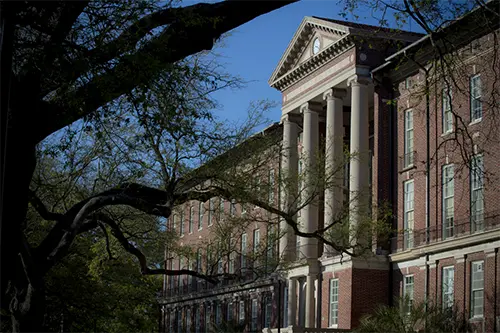
As we take our place in Newcomb Hall, we’re eager to continue working alongside our community, both locally and globally. With the arrival of Public Culture to the center, an incredible lineup of programming in place for this year, and the move into our new space on Tulane’s uptown campus, we’re entering our most ambitious year yet.