
What does a liberal arts education prepare students to do? The better question may be: How does it prepare students to think?
History professor Jana Lipman doesn’t begin with answers.
She begins with context.
Her students read books, newspaper archives, and primary sources to understand not simply what happened, but how we know what we know.
“Our world is not going to get any simpler,” Lipman says. “There’s an impulse to make everything fit into a post or PowerPoint, but I want them to understand why that sort of synthesis is not the whole story.”
In her 21st-century history course, students examine the War on Terror to understand how history continues to shape U.S. foreign policy. Along the way, they wrestle with questions about military power, decision-making, and America’s role in the world.
“I don’t care if they are history majors or not,” Lipman says. “I need them to think critically and thoughtfully about the world around them.”
For Lipman, historical thinking is also about intellectual humility.
“You have to be open to surprise, unexpected materials, contradictions, and the possibility of changing your mind,” she says. “Those are all important skills.”
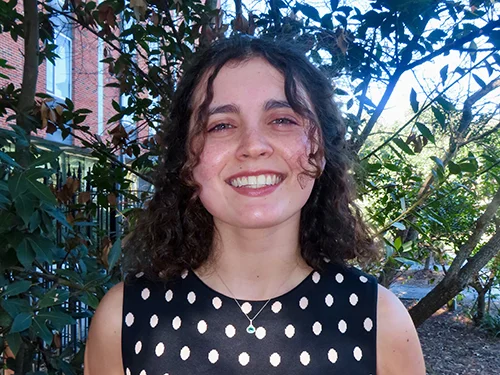
Working with Lipman on a Tenenbaum Tutorial about Afghan refugees required Jacy Miller (SLA ’28) to study sources dating back to the 1950s.
“History has taught me to think critically and look for nuance in my daily life,” Miller says. “Everything, including immigration law, has a historical context which is essential to developing one’s understanding.”
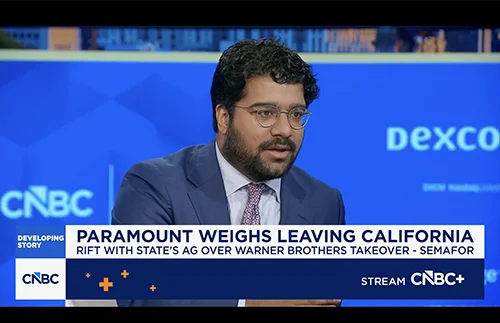
Those habits have stayed with alumni like Rohan Goswami (SLA ’22), now a reporter covering finance and corporate America for Semafor.
“There is no better training for deep interrogations of CEOs, their business plans, and their decision-making than history,” Goswami says. “My coursework taught me how to scrutinize documents and narratives closely and, perhaps most importantly, how to synthesize reams of data, text, and interviews into comprehensible copy.”
The same habits of observation and interpretation take a different form in the performing arts.
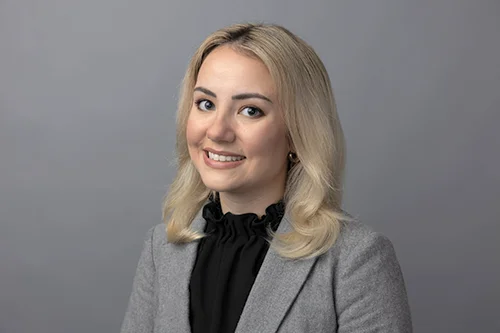
For Emily Robinett (SLA ’22), now the showrunner’s assistant on an upcoming Disney Channel series, Theatre & Dance became an education in storytelling.
“Taking Victor Holtcamp’s History of Theater course gave me exposure to kinds of theater and storytelling that I might never have been aware of before,” she says. “I’ve been able to draw from pretty niche things that have become really cool templates for storytelling.”
She soon realized that storytelling was as much a professional skill as a creative one.
“The benefits of learning how to tell a great story became applicable not just in the writer’s room, but in corporate settings as well,” Robinett says. “By honing my own personal narrative, a strategy I developed at Tulane, I was able to connect with people and invite them in.”
She also credits theatre professor Amy Chaffee’s Voice and Speech course with helping her become a more authentic communicator.
“Learning how to tap into your body and find authenticity and groundedness has made me not just a better communicator,” Robinett says. “I’m more aware of myself and grounded in who I am.”
Political Science professor Christopher Fettweis encourages students to rethink the question entirely.
“Thinking in terms of, ‘What are you being trained to do?’ is not the right way to think about liberal arts,” he says. “Instead, ask, ‘How are you being trained to do almost anything?’ You don’t seal off any paths by having this kind of education.”
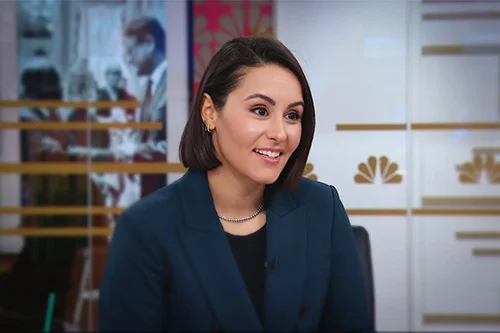
Through writing, debate, and peer review, students learn to test ideas and communicate them clearly. Those habits helped launch the career of political science major Ali Vitali (SLA ’12), NBC News’ Capitol Hill correspondent.
Still, Fettweis knows many seniors experience what he jokingly calls the “Senior Freakout,” when classmates in more specialized majors begin accepting job offers first.
“You may not be training for something specific,” he tells them. “That makes students think they don’t have specific skills that are transferable. But that is just not true. A lot of employers are looking for smart people who can work hard and think.”
After watching generations of Tulane graduates build careers in fields they never imagined as students, he’s learned there’s one piece of advice they most need to hear.
“When it comes to career advice, it’s my job more than anything to tell them they’re going to be okay.”