
TULANE SCHOOL OF LIBERAL ARTS MAGAZINE
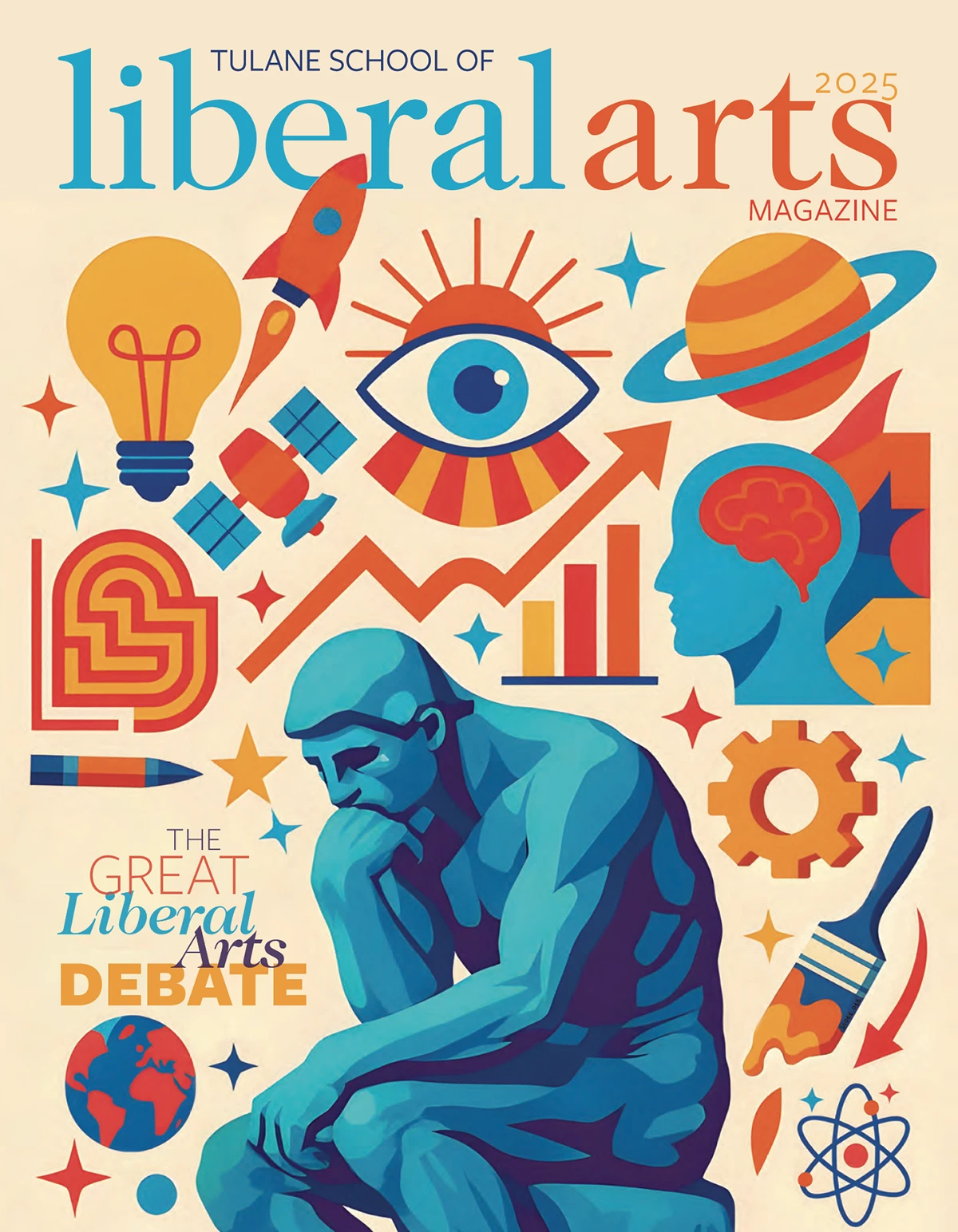
The Great Liberal Arts Debate Issue
At the School of Liberal Arts, we believe that tackling complex questions head-on is not just what we teach, it is who we are. Though the theme of this issue is “The Great Liberal Arts Debate,” we do not intend for it to deliver a singular, definitive answer. Instead, we invite you to reflect on your own Tulane journey — the courses, conversations, and ‘aha!’ moments that defined your liberal arts experience. Did your path emphasize a foundation of history, data, and essential facts; gravitate toward interdisciplinary problem-solving and thinking outside the box; or perhaps a compelling blend of both?
Within these pages, you’ll find diverse perspectives and insights from our faculty, students, and alumni who are actively shaping the future of the humanities, social sciences, and fine and performing arts. We explore how critical thinking, honed through deep engagement with history, philosophy, literature, and social theory, equips our graduates to navigate uncharted professional territories and address society’s most pressing challenges.
This issue is an invitation to lean into the conversation, to challenge assumptions, and to reaffirm all that is encompassed by a liberal arts education. The very skills debated — the capacity to analyze, innovate, and communicate — are precisely what allow us to engage in such a profound societal discussion. We hope you’ll find inspiration to craft your own answer to this great debate.
Thank you for joining us in this exploration.
There are many pathways to problem solving and critical thinking and many inescapable and unavoidable authors and thinkers to grapple with. That is too the joy of the liberal arts — its unpredictability and its inexhaustibility.
Inside the Issue
The Great Debate
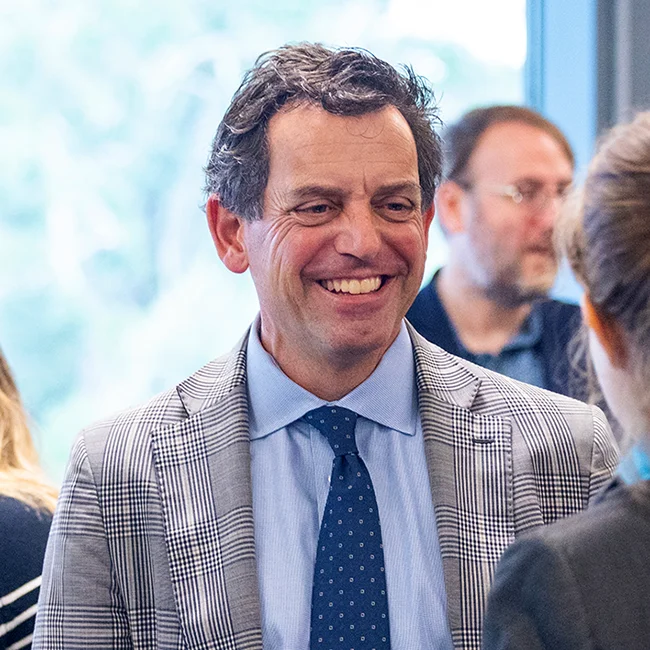
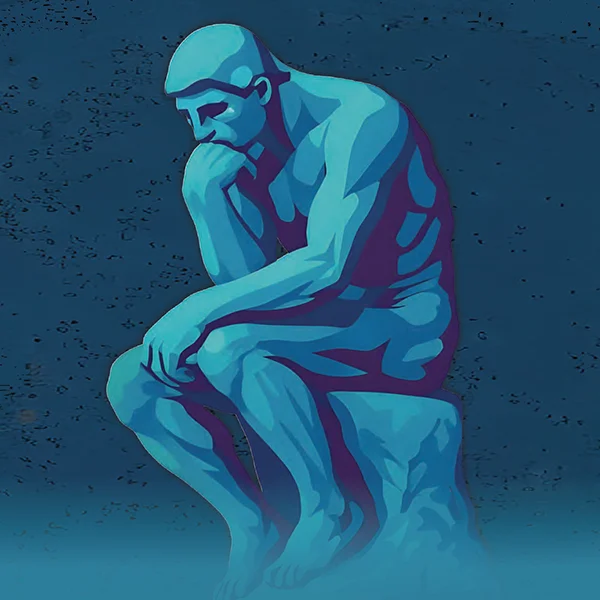
Dean Brian T. Edwards opens the dynamic discussion in “The Great Liberal Arts Debate,” prompting us to re-examine the core role of higher education. He explores the ongoing friction between teaching specific subjects and fostering key abilities amidst a rapidly changing world.
An Aptitude for Transformation
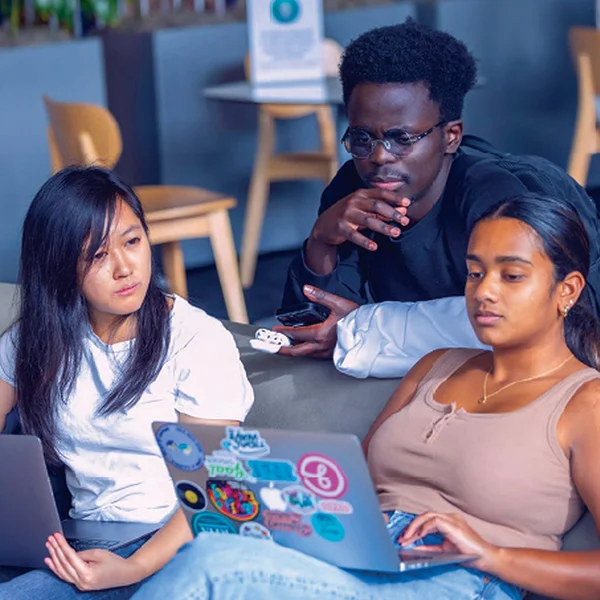
Asking complex questions and thinking beyond easy answers is the approach Professor Shennette Garrett-Scott uses to cultivate intellectual risk-taking and ethical reasoning. By teaching lived experience, resilience, and curiosity, she shapes how her students learn to navigate change.
State of the Nation
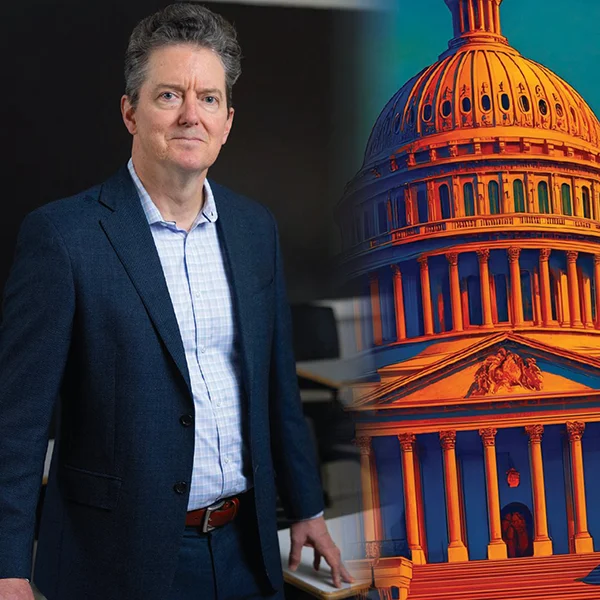
Looking beyond national indicators allows you to connect data to real life. Economist Douglas N. Harris unpacks data from the State of the Nation Project, examining what it shows, what it masks, and how it shapes the way we understand our country.
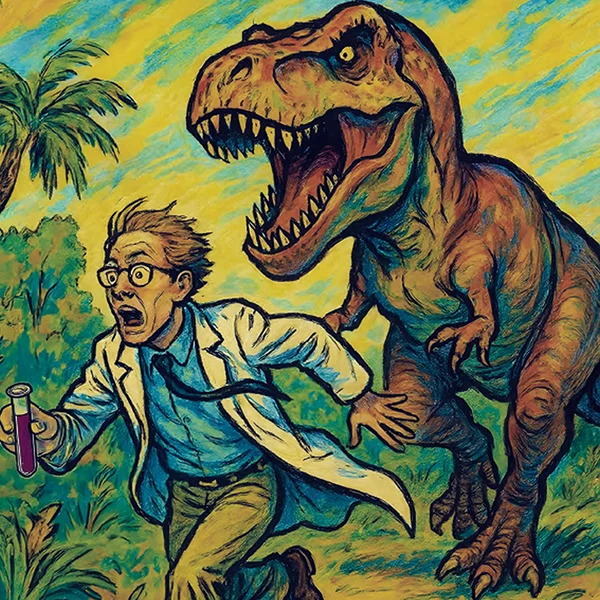
Mastering Unstructured Problems
In her piece, Classical Studies Professor Susann Lusnia illuminates how varied disciplines foster a flexible mindset, enabling students to tackle intricate, open-ended challenges for lifelong growth.
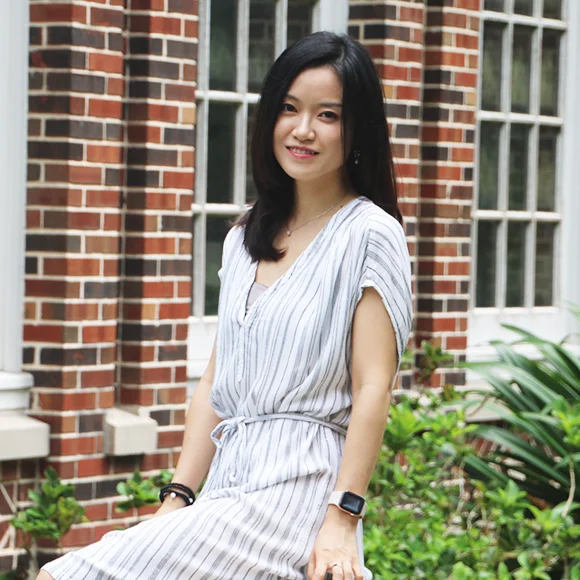
Buried Complexity
Some narratives stay hidden until someone takes the time to trace the clues. Scholar Fan Zhang uncovers the deeper layers shaping our understanding of culture and history through burial artifacts.
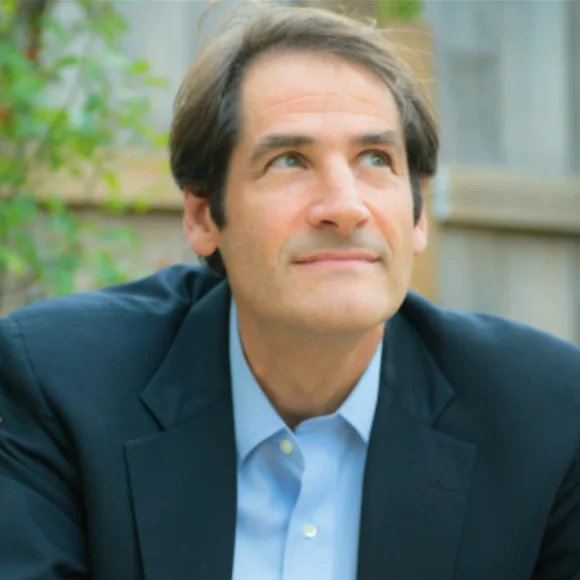
Conversation in the Age of AI
AI is everywhere, but Creative Writing Director and Professor of English Thomas Beller argues that the most important questions are still human ones, requiring dialogue and connection.
Featured Event
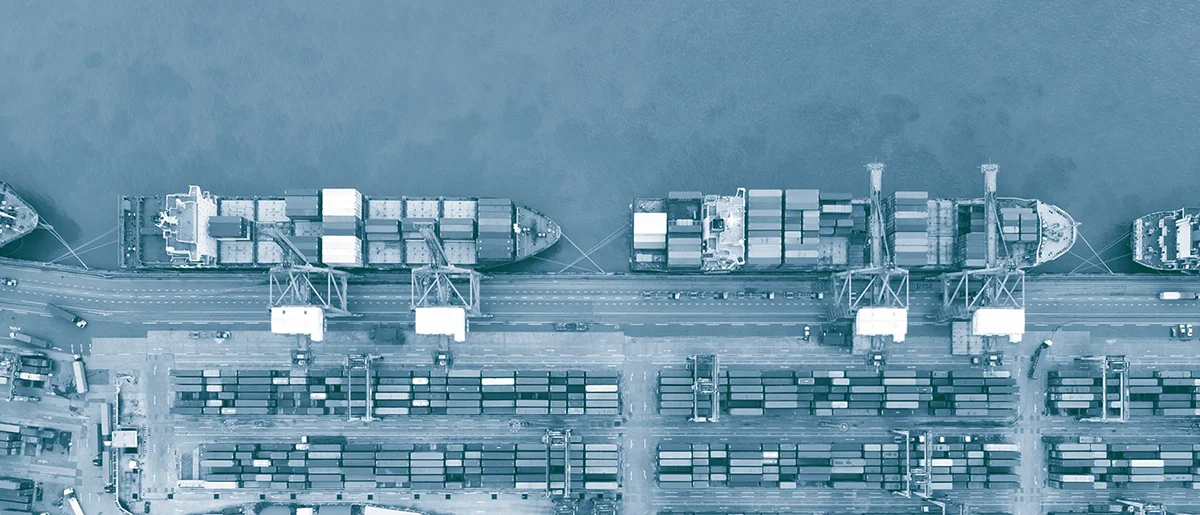
The Tulane Global Humanities Center will host its inaugural symposium at Tulane on January 22–23, 2026. The theme of the symposium is Global Port Cities, offering four panel sessions and a keynote address by Dr. Arjun Appadurai, a world renowned expert on the cultural dynamics of globalization, over this two-day event.
Tulane Global Humanities Center Symposium
January 22–23, 2026





102 Newcomb Hall • New Orleans, LA 70118
liberalarts.tulane.edu