Commencement 2024 - Student Spotlight: Dimitri Hanafin Reyes
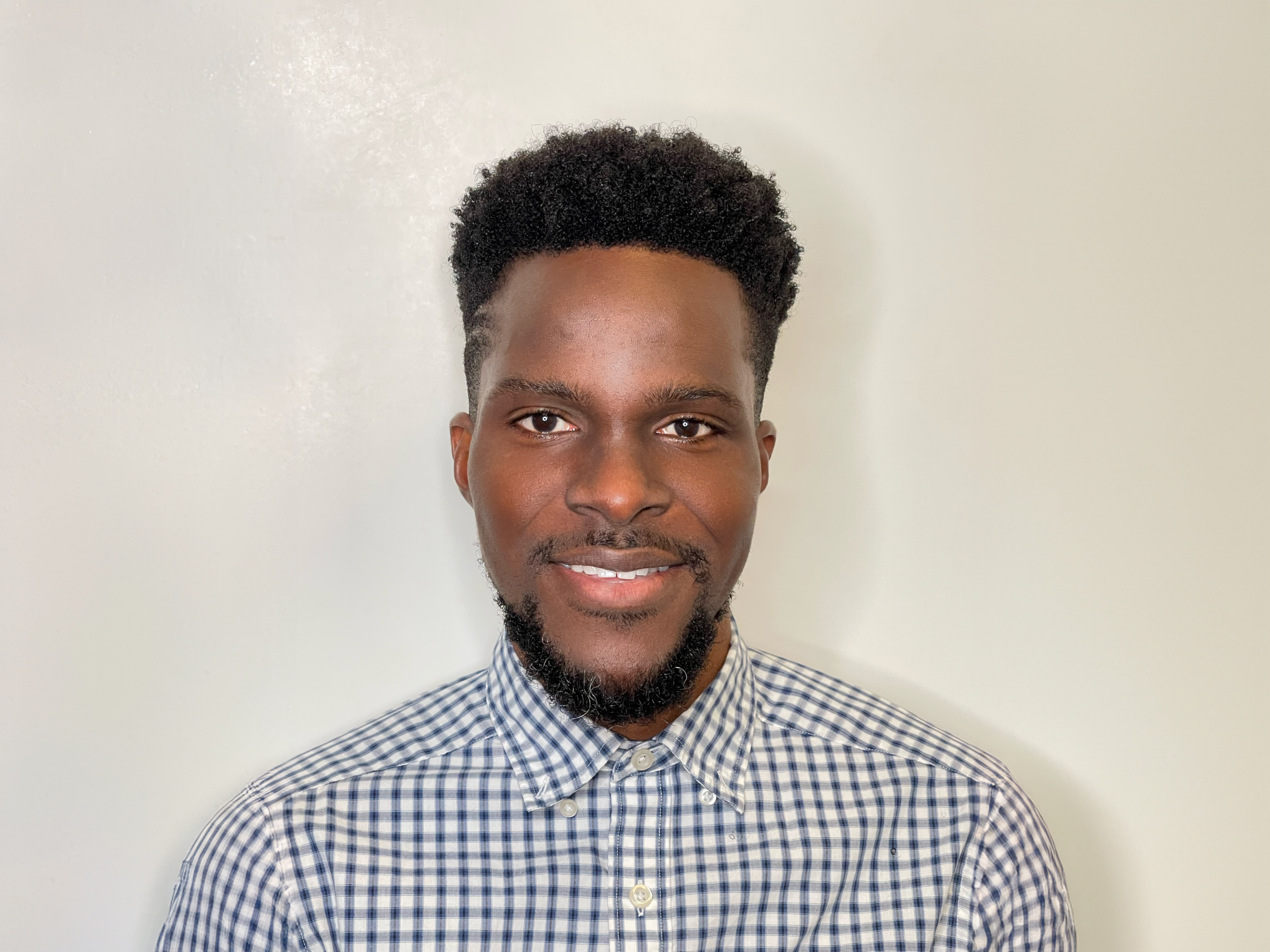
Originally from San Francisco, California, Dimitri Hanafin Reyes came to Tulane to study music and graduated with a dual degree in Black American Music and Legal Studies in Business.
During his time at Tulane, Dimitri he has performed in various capacities, ranging from regular gigs on Frenchman Street to festival performances in the New Orleans Jazz Festival and Jazz Ascona Festival in Switzerland. As the student musician during the School of Liberal Arts Commencement Ceremony, Dimitri performed a piece he wrote call “Full Circle,” which encapsulates the experience of his musical journey and confronting the seas of doubt and anxiety that are inevitable in life. "Full Circle," is meant to serve as a beacon of resilience that highlights the power of embracing the past, navigating the present, and crafting an unsure, yet hopeful future.
After graduation, Dimitri plans to stay in New Orleans and continue performing and cultivating relationships through music.
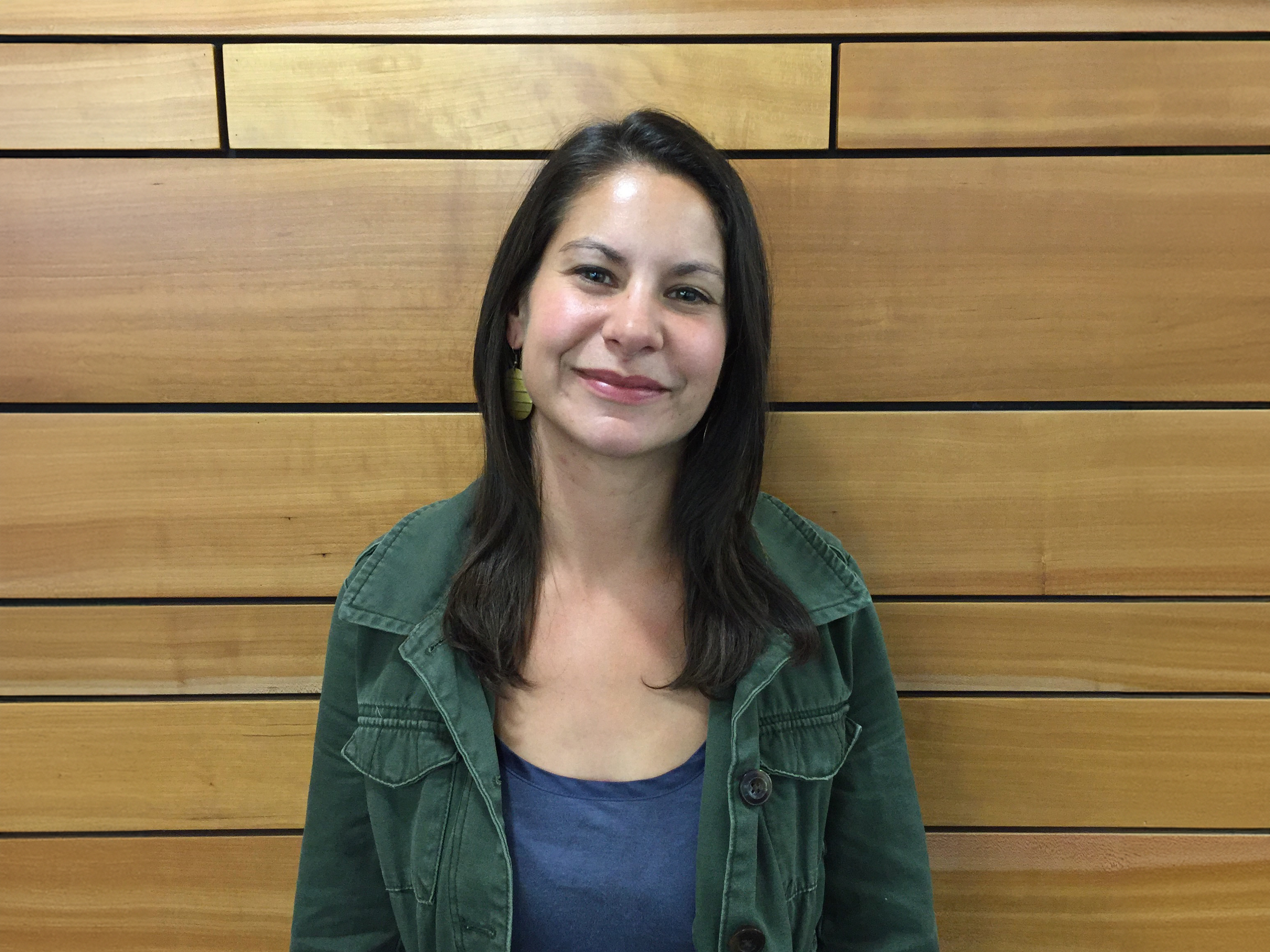
Commencement 2024 - Student Spotlight: Katerina Ellison-Batt
Katerina Ellison-Batt wrote her first book in fifth grade, and got grounded for stealing Monopoly money to make the cover. Ever since then she has been writing, and recently finished her first informal poetry collection, Conversation Lullaby. Katerina hails from Ann Arbor, Michigan and received a degree in English from Tulane’s School of Liberal Arts. A transfer student from Michigan State University, she lived for several years in a co-op with 26 roommates, and credits the house with being instrumental to her writing. Katerina has worked in sexual violence prevention education, as a receptionist for Hillel, and interned with Sierra Club.
Katerina’s original poem Ode to You in New Orleans reflects on her experiences in New Orleans and at Tulane, and the friendships and memories built here.
Her future plans include staying in New Orleans, a city she’s grown to love, and pursuing a career in copywriting. Katerina would love to thank her mother for her support and the Tulane English Department, especially Professor Price, Professor Boudreaux, and Professor McFadden, for their endless wisdom and encouragement.
"Ode to You in New Orleans"
By: Katerina Ellison-Batt
you are beautiful in dappled light
oaks slow dancing
our runs through Audubon
I pick an eyelash off your cheek
our days are long and happy
and often, we remember the city we lived in
the streetcar lights bouncing off our faces, our grinning teeth
those long afternoons
in the grass outside Newcomb
those kind professors you wish
you could take again, those
technicolor explosions of spontaneous hugs
you smile and lean in
yes, this is a happy poem
I wouldn’t want to live in a flooding basement with anyone else
I tell my roommates
I wouldn’t want to
Stand or stare into the sun
With absolutely anyone
you are now all grown up, LinkedIn and thesis’s,
and you are my friend.
for a moment we stood silent
little cities in a row
and then
we began
to dance.
this is a happy poem.
anyway it’s as you said in your letter:
you are so much of me.
TRICS Underlines the Role of Research in the Liberal Arts
From Economics to Anthropology, female Beatniks to Aristotle, students and faculty participating in this year’s Tulane Research, Innovation, and Creativity Summit proved that research in the Liberal Arts is vital, dynamic, and full of possibilities.
Held at the Lavin-Bernick Center for University Life (LBC) from April 23-25, and sponsored by the Tulane Innovation Institute and the Office of The Vice President for Research, the annual event aims to showcase the “breadth and depth of research, innovation, and creativity from disciplines, departments, units, and schools across Tulane University.” Along with TRICS panels, lectures, and special workshops, students were invited to participate in poster sessions, a chance to present and engage with the public on their projects and findings.
Over three days, 16 students from the School of Liberal Arts, representing the Departments of English, Economics, Philosophy, Anthropology, and Environmental Science, joined in on the poster sessions, standing alongside those from Tropical Medicine, Biomedical Engineering, Architecture, and other schools. Undergraduate Hannah Rubenstein explained her theories on “How to Build a Better Male Lead in K-Dramas,” while Philosophy graduate student Samuel Hage broke down Species Essentialism in Aristotle. Presentations, of course, were not always limited to their posters: as part of her honors thesis, Undergraduate Zoe Friese created an interactive map tracing the global movements of environmental activists against the Formosa Plastic Group. Her poster included a QR code linking to her interactive site. Another intriguing project, by Economics PhD Candidates Barb Lundebjerg and Yu Liu, with Associate Professor of Economics Patrick Button, was an audit field experiment designed to quantify discrimination on the basis of race, ethnicity, gender, gender identity, and health insurance status (and their intersections) in requests for talk therapy appointments with licensed therapists.
At the faculty panel, titled "Local to Global: Today’s Research, Scholarship, and Creativity Across Tulane Liberal Arts," colleagues across disciplines had a chance to share and celebrate research achievements and future prospects. A few key presentations included Marcello Canuto's large-scale modeling of the ancient lowland Maya, Allison Emmerson's excavation of marginalized areas in Pompeii, and Laura-Zoë Humphreys' study on media piracy in Cuba. Other topics covered behavior patterns of wild Capuchin Monkeys, race, ethnicity, and health insurance discrimination in access to mental healthcare, food system leadership, the economics of Mardi Gras, and the connections between global port cities.
Organized by Kathy Jack, Associate Dean for Research and Graduate Programs, with help from Dean Brian Edwards, the presentations fit naturally under each of the School’s four pillars of distinction — strategies that emphasize the school’s global citizenship, its commitment to research through a liberal arts approach, a local focus on New Orleans and Gulf South, and duty to educate the next generation of leaders for careers in the future.
From students to faculty, TRICS was an exciting opportunity to spotlight the liberal arts community at large, its values, and its diversity. The wide range of projects emphasized the role of liberal arts research in addressing complex societal issues, and in moving beyond theoretical inquiry to have practical implications and real-world impact.
Political Economy and Environmental Studies major Zoe Friese presents her multimedia project on the worldwide collaboration among environmental activists during the annual Tulane Research, Innovation, and Creativity Summit.