Tulane Honored for Its Many Fulbright Scholars Across Campus—and SLA Sent More Than Half of Them

Selected for the prestigious Fulbright U.S. Student Program, six recent School of Liberal Arts graduates headed off to spend their first post-undergraduate year teaching, researching, and building relationships in communities around the world. With 11 Tulane students accepting their scholarships, Tulane earned a Top Producer Status honor recognizing the U.S. colleges and universities with the highest number of students selected for Fulbright grants in the previous academic year. This is the fourth time Tulane has won the award— reflecting Tulane and the School of Liberal Arts’ deep commitment to a global liberal arts education that prepares students for meaningful careers.

The Fulbright U.S. Student Program, administered by the U.S. Department of State’s Bureau of Educational and Cultural Affairs, is the nation’s flagship international academic exchange initiative. Through highly competitive grants, Fulbright supports graduating seniors, graduate students, artists, and young professionals as they pursue research, advanced study, and English teaching placements abroad. At its heart, the program is about connection — fostering mutual understanding through shared scholarship, cultural exchange, and lived experience.

The School of Liberal Arts recipients are currently representing Tulane in the United Kingdom, Ecuador, Latvia, Spain, and Brazil. Their work spans disciplines and languages, but each will carry forward a distinctly liberal arts approach: interdisciplinary inquiry, cultural engagement, and creative problem solving.

“The Fulbright is one of the most meaningful honors our students can receive because it recognizes not only academic excellence, but the importance of being an active citizen of the world,” shared School of Liberal Arts Dean Brian T. Edwards. “At a time when global understanding feels both urgent and fragile, these students embody what a liberal arts education makes possible — rigorous scholarship paired with deep human connection.”

2026 School of Liberal Arts Fulbright Recipients

  • Annabelle Harris (SLA ’24 / SSE ’24) — Fulbright/University of St. Andrews Award, United Kingdom
  • Anna Hobbins (SLA ’25 / B ’25) — English Teaching Assistant Award, Ecuador
  • Daniel Lew (SLA ’24) — Open Study/Research Award, Latvia
  • Justin Turpan (SLA ’25) — Fulbright Grant Recipient (award details forthcoming)
  • Caroline Wright (SLA ’25 / B ’25) — English Teaching Assistant Award, Spain
  • Sophia Young (SLA ’25) — English Teaching Assistant Award, Brazil

For generations, Fulbright alumni have gone on to shape public life, scholarship, the arts, science, and education. Even so, the programmatic impact is often more personal and immediate: new languages, new perspectives, and new cross-border relationships.

For these six School of Liberal Arts students, their experience represents more than an award. It is an invitation to immerse themselves in another culture, to ask deeper questions, and make a lasting impact by bringing what they learn back to their communities and future employers. 


Top: Annabelle Harris, Justin Turpan, Anna Hobbins 
Bottom: Caroline Wright, Daniel Lew, Sophia Young
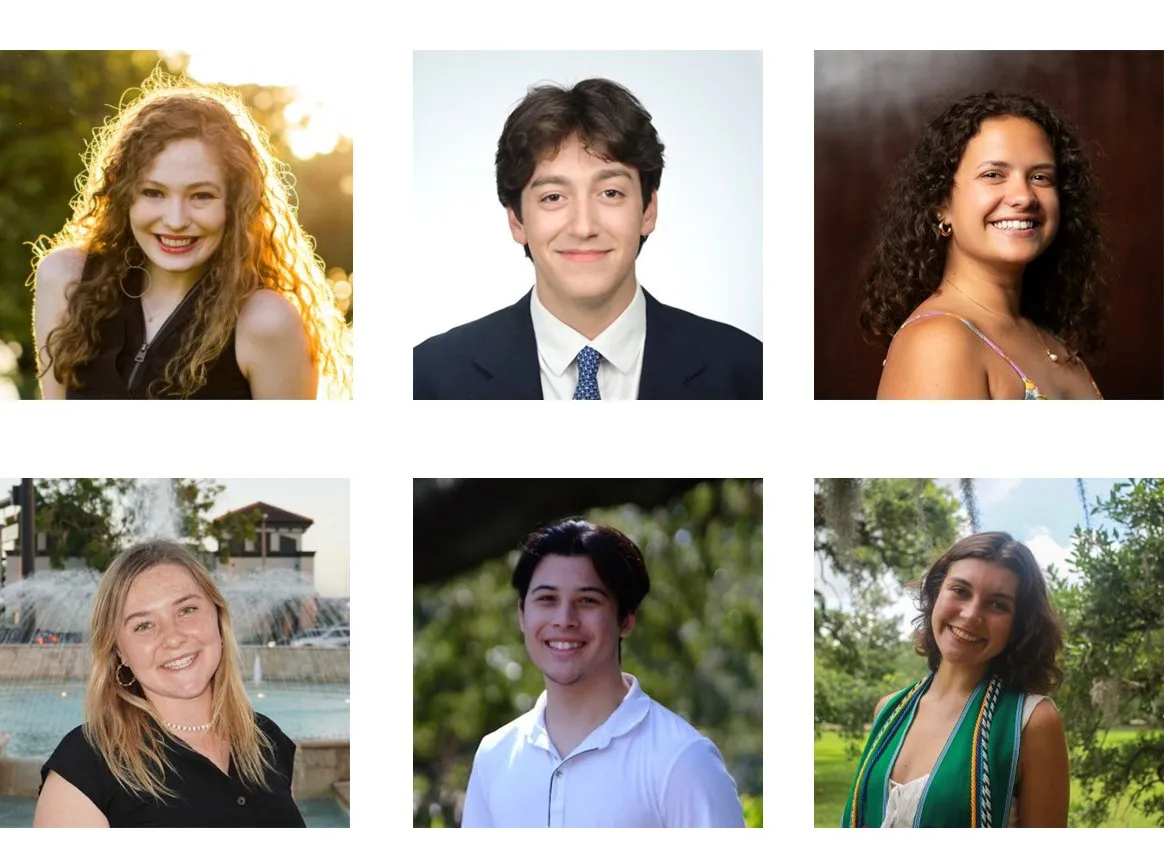
Fulbright students

School of Liberal Arts powers the New Orleans Book Festival at Tulane University with leadership, faculty expertise, and alumni voices

The New Orleans Book Festival at Tulane University returns March 12–15 for its fifth chapter, bringing more than 200 acclaimed authors, artists, and thought leaders to Tulane’s uptown campus.

Authors and panelists representing the School of Liberal Arts (SLA) include Dean Brian Edwards, English and Communication Studies Professor Kate Baldwin, Creative Writing Director and English Professor Thomas Beller, Gender & Sexuality Studies Instructor Kyle DeCoste, Tulane Global Humanities Center Fellow Freddi Williams Evans, Economics Professor Douglas Harris, Murphy Institute Executive Director Gary “Hoov” Hoover, Leonard Lauder Professor of American History and Values Walter Isaacson (co-Chair, New Orleans Book Festival at Tulane University), Jewish Studies Associate Professor Golan Moskowitz, English Assistant Professor Karisma Price, Environmental Studies Professor of Practice Nathaniel Rich, and Sociology Professor Nick Spitzer

Beller and Isaacson both published works this past year, Degas at the Gas Station and The Greatest Sentence Ever Written, respectively. Rich’s book Losing Earth was selected as Oscar-winning filmmaker Tom McCarthy’s next project and will be adapted into a screenplay. Price won the 2025 Whiting Award in Poetry for early-career accomplishments.

SLA also features a strong lineup of talented alumni, including Dr. Jennifer Avegno, Bryan Batt, Quint Davis, Karen Essex, Kelly Jacques, Wendy Rodrigue Magnus, Mike Sacks, Ben Sandmel, Sue Strachan, Dr. David Weill, and Bronwen Wyatt.

Pulitzer Prize-winning author Viet Thanh Nguyen, the inaugural speaker for SLA’s Carole Barnette Boudreaux ’65 Great Writers Series, will also participate in the festival.

In partnership with The Atlantic, the festival will open on Thursday, March 12, with a special keynote evening honoring the 250th anniversary of the founding of the United States of America. The evening will bring together The Atlantic’s Editor-in-Chief Jeffrey Goldberg (moderator), bestselling biographer Walter Isaacson, acclaimed filmmaker and storyteller Ken Burns, Atlantic Staff Writer and bestselling author Clint Smith, and Annette Gordon-Reed, author and Pulitzer Prize-winning historian.

School of Liberal Arts faculty, alumni, and past Carole Barnette Boudreaux authors featured at the Book Fest

The complete 2026 Bookfest schedule can be fount on the Bookfest website.

Thursday, March 12, 2026

Friday, March 13, 2026

Saturday, March 14, 2026

Thursday, March 12 – Sunday, March 15, 2026

March 12–15

Drawn to the Story - A Selection of Fairy Tale Illustrations

All day

6th floor, Howard-Tilton Memorial Library

Drawn to the Story - A Selection of Fairy Tale Illustrations Faculty / Students Exhibit

The book festival is free and open to the public. Registration and a full schedule of events is available on the festival website.

The New Orleans Book Festival at Tulane University - Save the Date - March 12-15, 2026

SLA Videography Student Applies Experience to Role in Super Bowl

Xyy Yang (SLA ’27) took the skills from his coursework in Digital Media Practices (DMP) to football's biggest event, joining the Super Bowl LIX media madness in New Orleans as a production assistant in the days ahead of the game.

The prospective DMP major has spent the last year sharpening his skills in video production with the Dean’s Office marketing & communications team — an experience he says helped prepare him for the high-pressure environment of sports media coverage. Introducing him to the team at Front Office Sports (FOS) was an easy solution that enabled Yang to earn hands-on experience in his field, and he was partially prepared for the pace. Still, with 6,414 accredited members of the media filling the Ernest N. Morial Convention Center — the most ever for a Super Bowl — being exposed to Radio Row was a definite first.

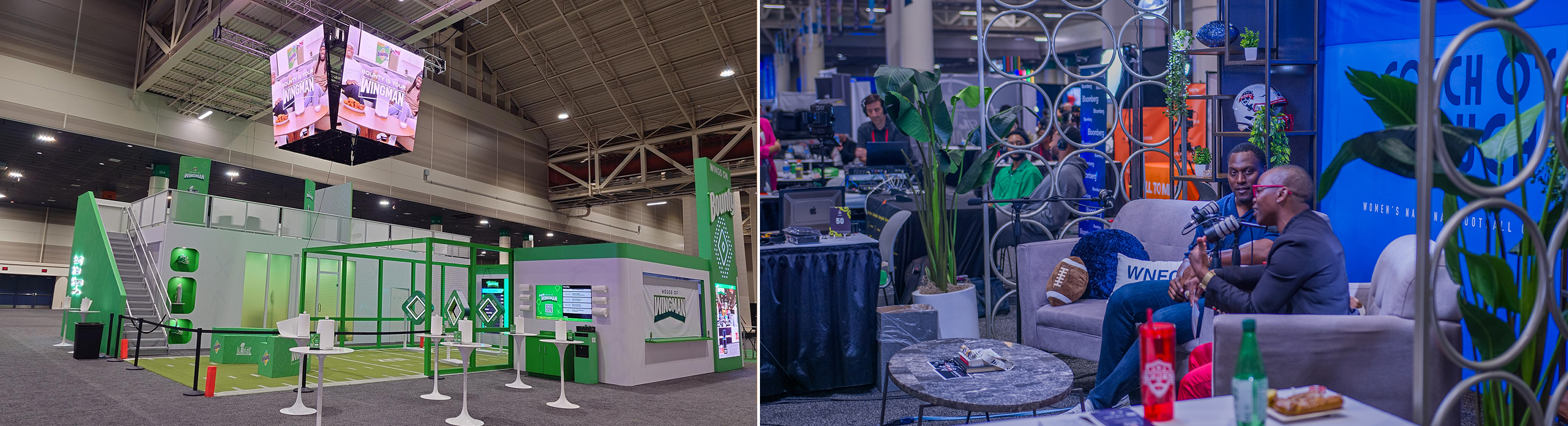
FOS is a media company with over 800K newsletter subscribers, known for publishing off-the-field content at the intersection of sports, business, and culture. Xxy’s PA duties included tasks like set fabrication and production suite setup, as seen in the photos of FOS' "before" rendering as well as the ultimate build. He also logged and organized video assets and jumping in on last-minute edit needs so producers could keep a rolling cadence of social media assets to their fanbase.

set design

"The concept of a media row was something I didn’t know about before. Just the sheer number of media companies there was something astonishing," said Yang. "AP News was just a few steps away from the booth I was working, which was pretty wild, as was the crowd of celebrities. The week started on Monday with the build of Front Office’s set in the Convention Center, so I was able to really experience things beginning from the ground up."

This was a key role in our production workflow. Xyy handled himself in a professional and smart way, and was very well respected and appreciated by our production crew.

-Alan Springer

Xyy's main duties fell under Jon Shames, Podcast Producer for FOS, to help setup a Roland VR-120HD Direct Streaming AV Mixer for use as a backup recording device, as well as to act as video switcher. "I had to troubleshoot issues, such as the stream not showing up on a MacBook, and come up with testing solutions to pinpoint what the issues were. I mainly supported Jon and helped with whatever was needed. He was a force on-site... both with how many people he knew, and all that he was able to recall from memory."

Alan Springer, CEO of Springtime Media and part of the FOS Super Bowl coverage team, commented, “As a PA, Xyy helped our production team set up the wiring and internet, assisted in managing the production schedule, and traveled offsite to get production gear that was needed. He learned the skill set to operate and run our Black Magic audio/video board used to stream the live feed back to our editors in New York.

Read on for more in Xyy's own words, from highlights of his experience, what he learned from producers, and how he will continue to build on this opportunity.

Applicable Skills from Current Courses

In Final Cut Pro Mastery (THEA3910) with Professor Antony Sandoval, I'm learning the ins and outs of professional video editing, and understanding video workflow. With Professor Duane Prefume's Virtual & 3D Filmmaking (DMPC391001) I’m able to experience 3D filmmaking and what it’s like to jump into a whole new world — as well as try my hand at troubleshooting new applications, programs, and tech. And then Glass I (ARST1170) with Professor Christian Stock proved a very valuable endeavor in working as a team under intense heat and pressure.

Advice from the Professionals

  • Being a good producer is getting ahead of potential issues before they happen.”
    I was told I was on the right path when, as we were leaving to go to Best Buy around 6pm, I asked security by the entrance if there was a certain time we had to be back in case there was a cut-off for allowing new entrances.
  • Start gaining hands-on experience early.” 
    Others advised me that students should begin building their skills well before their junior or senior years — it makes a significant difference.

Key Takeaways

Listening to professional career journeys was incredibly insightful. Hearing them discuss the people they worked with, which collaborations were successful, which weren’t, and how their paths unfolded — all of it. Each story was packed with valuable lessons, reinforcing that every journey is unique.

The ability to wear many hats is so important! Maybe a team member needs to suddenly be somewhere else on a critical assignment. Being able to step in could mean anything from having to cut and craft footage for social media to working as the video switcher. It not only gives the team flexibility, but everyone works better together when they understand other roles besides their own.

Stay in ongoing communication, and ask questions. For example, communicating to the camera operators current issues or cutting to the other camera so the camera can setup for a close-up shot… then cutting back to that camera with the video switcher. It’s not always going to be the same gear but being able to go into a new environment and problem-solve on the fly in a high-pressure environment can apply to any situation.

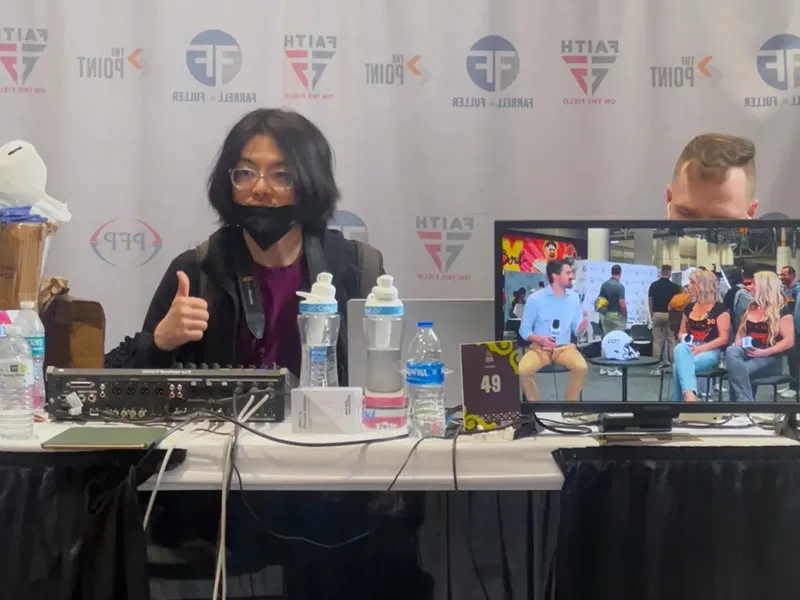
"Good to go."  Xyy gives a thumbs up to the production staff during a video segment filming.

Xyy Yang (SLA ’27)

Global Port Cities: The Inaugural Symposium of the Tulane Global Humanities Center

At a moment when many institutions are scaling back investment in the humanities, Tulane is doubling down. Bringing together academics from six different universities and 14 fields, the new Tulane Global Humanities Center launched its first symposium, focused on the biennial theme: Global Port Cities.

Hosted in New Orleans, a city shaped for centuries by migration, industry, and sea level patterns, the symposium brought together scholars, artists, architects, writers, and musicians to explore how port cities — past and present — offer critical insight into movement, power, culture, and change. Across disciplines and historical periods, panelists examined how ports shape everyday life, creative expression, and political ideology.

The symposium also served as a public introduction to the Global Humanities Center’s mission: to strengthen Tulane’s humanities community, expand global and transnational research, and highlight New Orleans and the Gulf South’s connections to the Caribbean, Africa, and Latin America. The center will also boost innovation in the study of humanities and the skills gained from it through funding, fellowships, and collaborative working groups.

“The humanities are varied, of course, and include multiple disciplines and areas, but what they have in common is an emphasis on people, cultures, and forms of expression that are often missed,” shared Tulane School of Liberal Arts Dean Brian T. Edwards. “The human and societal challenges we face seem especially great, and it is a moment when the world is both more complex and more interconnected than ever.”

Panel 1: Port Cities — A Conversation

The opening panel framed port cities as dynamic, urban spaces shaped by constant movement and exchange. Speakers Vyjayanthi Rao (Yale University), Brent Hayes Edwards (Columbia University), and Dean Edwards emphasized that ports are not simply infrastructures of trade, but complex cultural environments where multiple languages, histories, and forms of creativity intersect. Port cities, they argued, are often sites of experimentation — producing new social arrangements, artistic forms, and ways of belonging.

Drawing on examples from New Orleans, Mumbai, and Marseille, the panel explored how changes in port technology and global trade have reshaped urban life. As ports become less visible — physically and economically — many cities have experienced parallel shifts from industrial labor to real estate development, often displacing working-class communities while obscuring the port’s ongoing global role. Throughout the discussion, port cities emerged as relational spaces, defined less by borders than by their connections to other ports and diasporic networks.

Keynote: Circulation and Comparison in Global Socio-Cultural Flows

Arjun Appadurai, Emeritus Professor of Media, Culture and Communication at New York University, was the Symposium’s keynote speaker, discussing how global cultural flows make comparisons between objects blurry, prompting questions such as why some cultural forms move across national boundaries easily and others less so. One of his main examples was the migration of Black American Jazz from New Orleans to Bombay in the 1930’s and the musicians' success in establishing a jazz nightlife at places like the Taj Mahal Hotel.

Anthropology Associate Professor Andrew McDowell (Tulane) led a Q&A after Appadurai’s presentation, opening up the conversation to both panelists and attendees.

Panel 2: Free Zone, Conservation, Colonial Heritage

The conversation also turned to UNESCO World Heritage designations, with Janakiraman questioning whose histories are preserved and whose are marginalized. Both panelists emphasized that heritage conservation is deeply political: while it can bring visibility and economic investment, it can also reinforce colonial legacies and produce new forms of exclusion. Together, the presentations challenged the audience to reconsider conservation and deregulation as parallel logics reshaping cities in the name of economic value, but for whom?

Panel 3: Port Cities Fictions & Diaspora

Fiction and storytelling took center stage to explore port cities as spaces of personal and political transformation with Myriam J. A. Chancy (Scripps College), author of The Village Weavers, and Yuri Herrera-Gutiérrez (Tulane University), author of Season of the Swamp. Drawing from their recent novels, each reflected on how ports shape experiences of migration, displacement, and belonging, and how literature can capture the emotional and social dimensions of movement that often escape formal analysis.

During the discussion, port cities emerged as liminal spaces — places of arrival and departure, uncertainty and possibility — where identities are continually reimagined. The panel highlighted the role of storytelling to make visible the lived experience of global flows and diasporic life.

Panel 4: Ports and Networks of the Ancient Mediterranean

Turning to antiquity, this panel offered archaeological and historical perspectives on ancient port cities and the networks they sustained across the Mediterranean. A presentation by Justin Leidwanger (Stanford University) challenged top-down models of imperial control by showing how sailors, merchants, and local communities negotiated connectivity through informal, bottom-up practices.

New research from Allison Emmerson (Tulane University) on Pompeii reframed the city as an active port economy shaped by seasonal trade and hospitality infrastructure. Each demonstrated how ancient systems of mobility structured everyday life — and how these early networks resonate with present-day debates about globalization, migration, and economic risk.

Panel 5: Musical Confluences

The final panel brought the symposium to a familiar place in New Orleans: identity through music. In collaboration with the New Orleans Jazz Museum, musicians Mahmoud Chouki and Victor Campbell traced how musical traditions move across port cities, producing new forms through encounter, fusion, and reinterpretation. Performances illustrated how music carries histories of migration while remaining responsive to place.

By blending conversation and live performance, the panel underscored how port cities function as creative spaces — where cultural exchange is not only studied, but heard and felt.

Looking Ahead
The Global Port Cities Symposium builds on earlier Global Humanities Center programming and signals a sustained commitment to interdisciplinary, globally engaged scholarship at Tulane. By bringing together perspectives from the ancient world to the present — and from theory to performance — the symposium demonstrated how the humanities remain essential for understanding the forces shaping cities and societies worldwide.

“When students, researchers, artists, and community members from different backgrounds come together and leave thinking differently, that’s a meaningful measure of impact,” said Dean Edwards. “The strong turnout for our inaugural symposium — and the wide range of people it attracted — was particularly gratifying in this respect.”

Port of New Orleans container ship

Newcomb Department of Music Celebrates Curriculum Expansion

Tulane’s Newcomb Department of Music has undertaken its first major curriculum overhaul in decades, responding to the evolving interests of current and prospective students eager to explore and shape the sonic landscapes of daily life. Curriculum innovations include reimagining the jazz studies program as Black American Music (BAM) and introducing a new specialization in Music and Technology (M&T). While working towards these changes, Tulane began to bolster its faculty in BAM and M&T with the addition of acclaimed composer Courtney Bryan, renowned trumpeter Ashlyn Parker, and dynamic percussionist Peter Varnado — enhancing student resources and deepening connections to New Orleans’ vibrant music scene. These efforts are helping Tulane's music program position itself as a national hub for students seeking to merge their passion for music with a forward-looking professional education.

Additional program updates include streamlining the Bachelor of Fine Arts in Music into one degree with five possible pathways — allowing students to pursue specific career options that integrate professional areas such as composition, performance, and musical theater, alongside BAM and M&T. In addition, updated core requirements now reflect the diversity of today’s global and popular musical traditions and the transformative role of technology in the music industry.

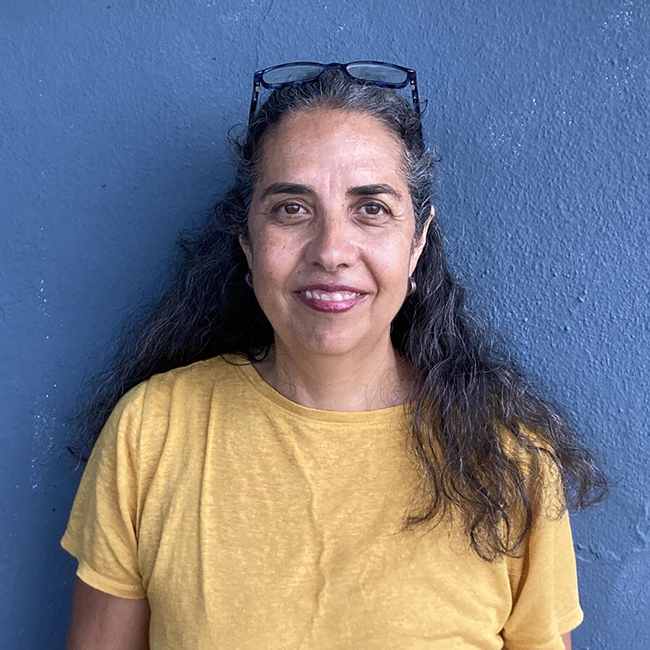
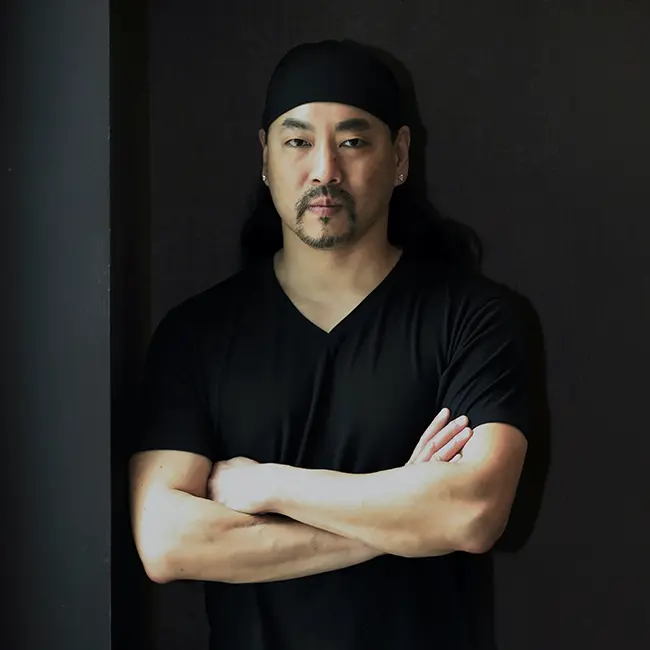
To further strengthen the music studies, musical theater, and music business offerings, the department recently welcomed internationally recognized ethnomusicologist Ana Maria Ochoa; actor, director, writer, and producer Laura Waringer; and producer and seasoned percussionist Taku Hirano. These professors are leaders within their specialty and are poised to reinvigorate Tulane’s musical legacy.

Launched in the fall of 2024, these reforms are already showing results — with a rise in music majors and minors within just one semester. These positive outcomes are thanks in part to the Department of Music’s faculty working more closely with each student to ensure their success while enrolled and post-graduation.

Laura Waringer, Tulane University

Laura Waringer

Assistant Professor

Taku Hirano, Tulane University

Taku Hirano

Professor of Practice

Black American Music ensemble students perform at the 2024 New Orleans Jazz & Heritage Festival.

BAM students perform at Jazz Fest 2024

Musical Robots - read more about the Music & Technology program, as featured in the Tulanian magazine and watch the video below.

From Chopin to Cyborgs, the English Undergraduate Research Conference Celebrates Curiosity and Interconnectedness

What impact does the consumption of true crime have on our understanding of reality? How are male pickup artists linked to internet-trolling incels? In what ways does Kate Chopin use regionalism in her writing? These are just some of the research questions presented by panelists at Tulane’s 3rd annual English Undergraduate Research Conference, an event that celebrated the depth of intellectual curiosity and opportunity for unexpected ideas in the study of literature.

I had the privilege of acting as a moderator and Keynote Graduate Speaker at this year’s conference, along with some other English graduate students. Presenters represented different years and majors, all linked together by outstanding research papers and creative writing submitted for their English classes. The event is designed to give students of all majors the full experience, complete with lively question-and-answer sessions following their presentations.

While moderating my panel, I had the opportunity to hear from Caroline S. and Petra R., two STEM students who presented completely different pieces linked by their shared contemplation of the nature of reality and truth. Caroline’s piece, a bittersweet exploration of her New Orleanian roots, grounded itself in the universally human desire to understand our families and our pasts. Petra’s research, on the other hand, analyzed how the consumption of true crime as entertainment can skew our perceptions of reality while moving us farther away from our humanity. After presenting their writing, the audience participated in an engaging session of questions and synthesis, ultimately contemplating how our personal mythologies and biases undergird our perception of reality.

Looking back on their joint panel, Caroline stated that “Being able to do this showed me the ability for personal experiences to transcend the personal and have other people connect with that. Then, during our discussion, I had thought, how were we going to connect these things? And somehow we did!” Meanwhile, Petra mused on presenting in general, noting, “I think a lot of times it can be uncomfortable finding the right words that convey what you mean [when put on the spot], but it deepens your understanding and perception of your own writing without even realizing it.”

People at keynote address

For my Keynote Address, I shared my Master’s thesis exploring linked themes in Gothic literature and Gothic rock. My fellow Keynotes, Leah-Tim Davant and Alex Gassel, presented a Master’s thesis about regionalism within Kate Chopin’s literature on New Orleans and a Capstone project on how Virginia Woolf’s writing parallels later absurdist ideas in Camus’ The Myth of Sisyphus, respectively. Presenting on this range of topics was a chance to show how pursuing graduate studies in English at Tulane empowers students to explore the subjects and ideas that most engage them within the broader curriculum.

What strikes me as the most important and dynamic part of studying English is how each thing we study can be linked to another. Although we tend to view English as solely the study of literature, the field is far more interdisciplinary than just that — consisting of Philosophy, Art, History, and even sometimes delving into the sciences. Undergraduates presented on topics such as the Oura Ring, cyborgs in the modern age, and chivalry in the South. And while the topics themselves seemed worlds apart, each presentation shared a common thread: the desire to bridge personal insight with broader cultural understanding.


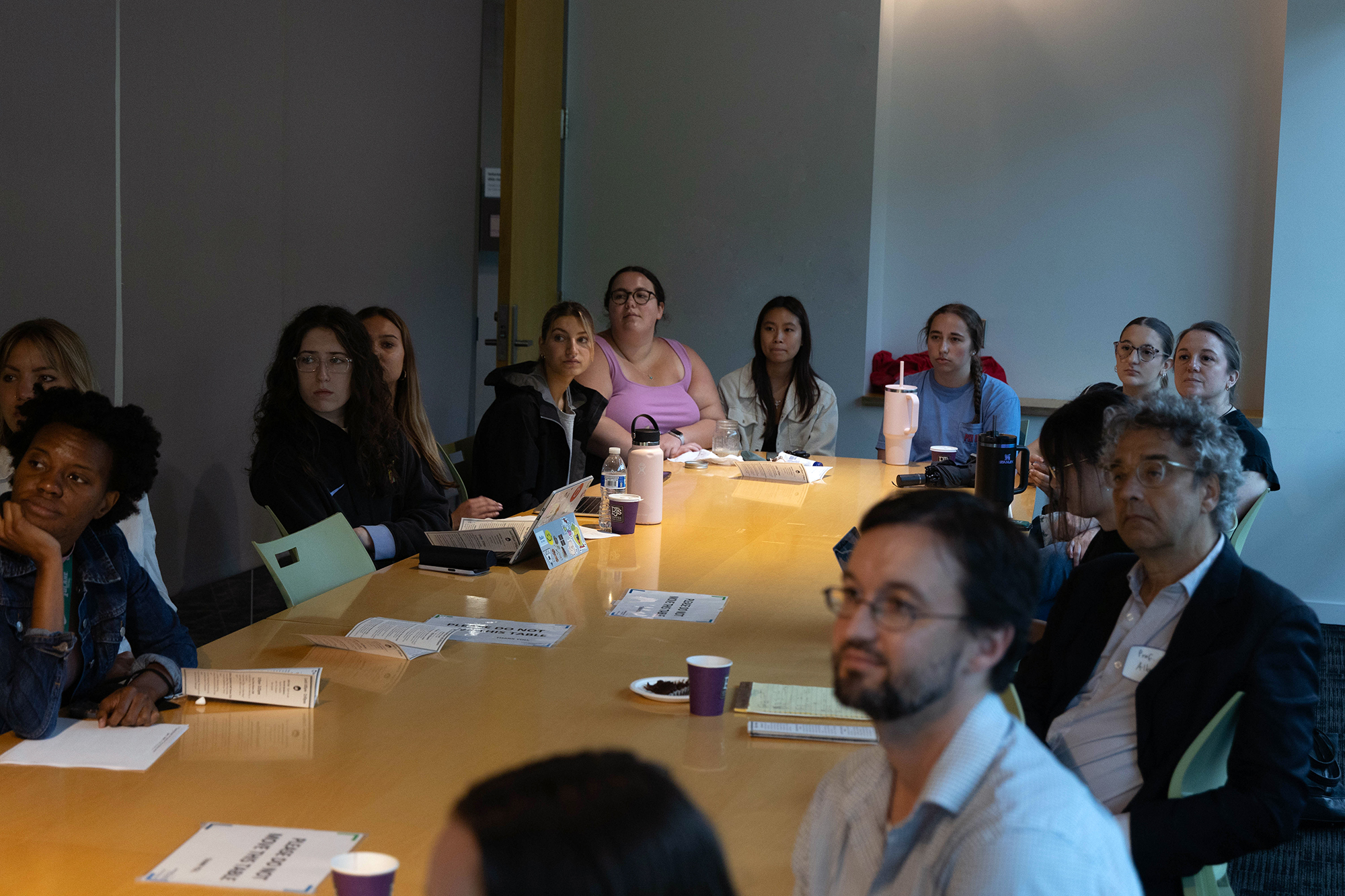
students listening to presentation

In the end, what the English Undergraduate Research Conference really shows is how unexpected ideas can come together in powerful ways. Whether a personal narrative centered on our history or research on the ramifications of true crime, each presentation revealed how English isn’t just about literature, but the emotions and ideas that make us human. Presenters proved that curiosity is what unites us all, and it thrives when we push boundaries and share these conversations across disciplines and generations.

By Sophie Colalillo (SLA ’25)
MA, English

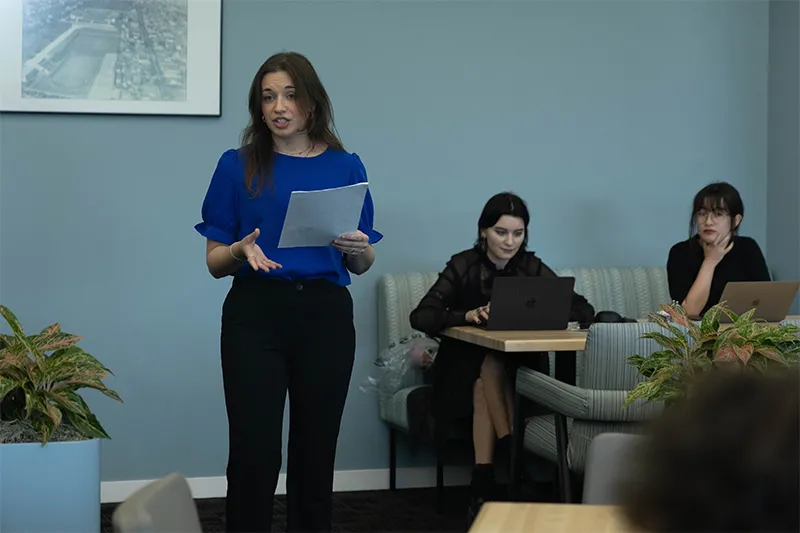
student presentation

Tulane Linguistics Hosts 7th Annual Conference

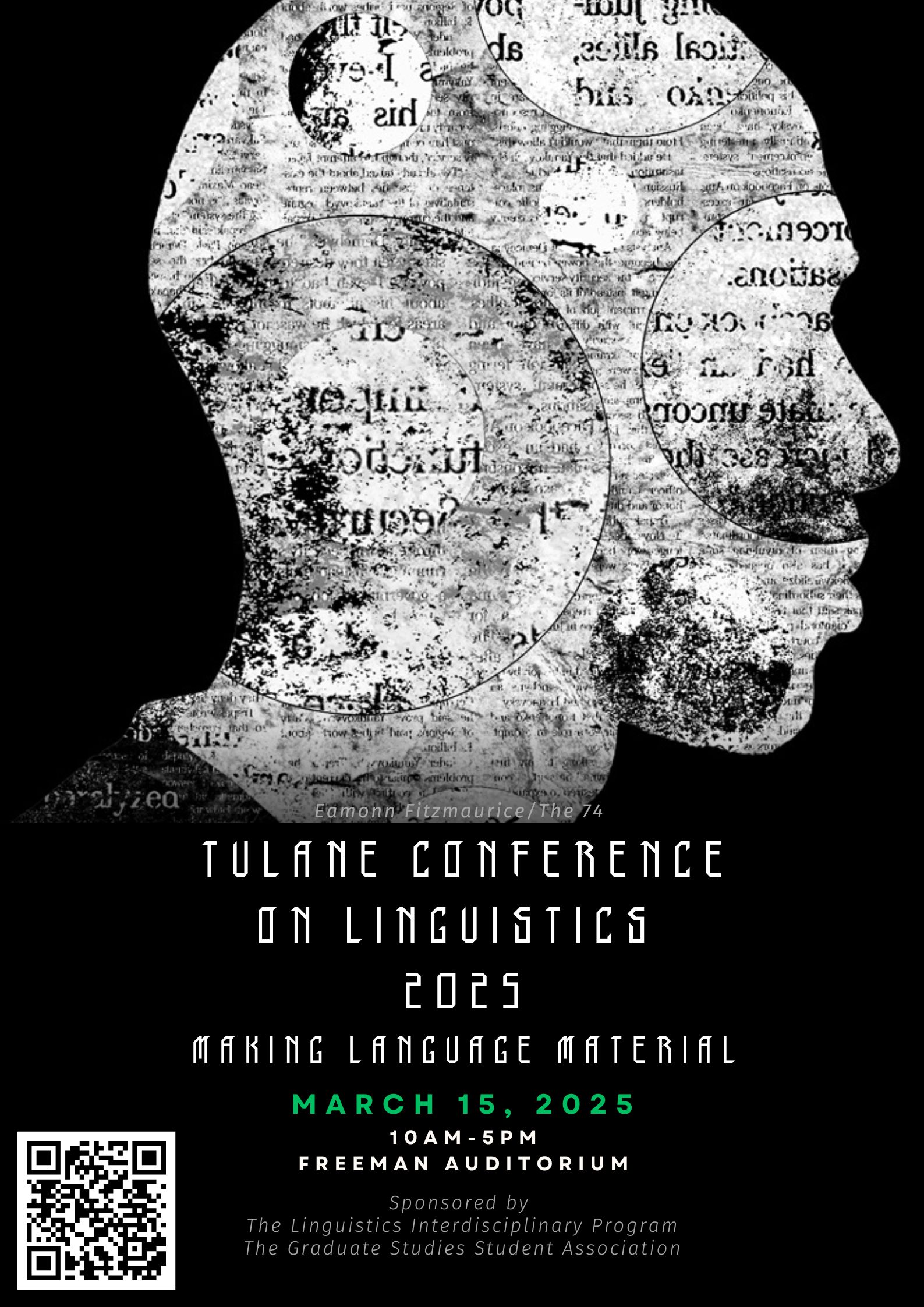
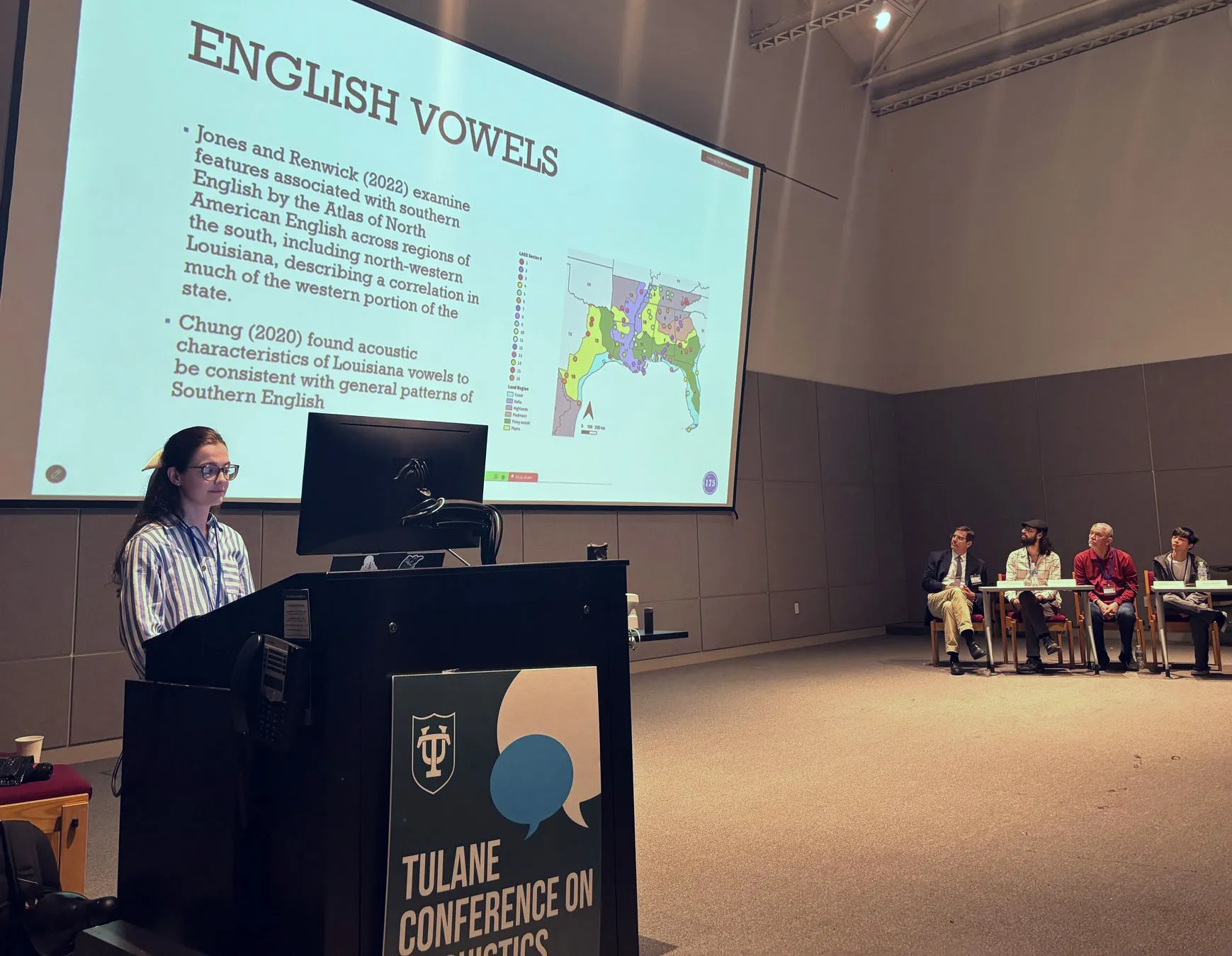
The Tulane Conference on Linguistics (T-CoL) is designed to be a conference that, while maintaining high academic standards, is a warm and open place for first-time speakers. Hosted by graduate students in the Interdisciplinary Linguistics Program, T-CoLoffers an opportunity for anyone with an interest in linguistics to network with other scholars, professors, and students in the Gulf South. During the 7th annual conference, which took place in March 2025, scholars presented research on language-made material across 11 sessions.

Over time, writing systems can change drastically for a variety of reasons, including technological innovations, outside influence, and underlying language changes. “We hoped to draw attention to all of the different ways language can be used, whether in education, signage, ancient writing systems, and so on,” said Keara Sparks, T-CoL co-host and president of the Tulane Linguistics Student Association. Speakers also looked at language in the ephemeral, as it becomes the material: visualization and mapping dialects, articulations, vowel formants, and language variation. In other words, the materialization of language itself.

Participation included 17 speakers, mostly coming from the Gulf South, and more than 50 attendees. “It is so nice to have a conference that is centered on linguistics,” one attendant remarked. “It’s nice to get to see everyone face to face and learn about all the different projects we’re working on,” they continued. The event culminated with keynote speaker Dr. Amy George and her talk, “On This Earth Here: Mapping the Universe Across Time, Space, and Languages.” With this presentation, Dr. George took the audience on a brief trip through humankinds’ perceived understanding of the universe through charts, writings, and art of our solar system and other “heavenly bodies,” dating back to the year 161 CE.

The conference was sponsored by the Interdisciplinary Linguistics Program and Graduate Studies Student Association, with support from the Newcomb Art Department. Those interested in presenting or attending next year can email tulanelinguisticsconference@gmail.com to join the mailing list.


By Keara Sparks (SLA ’28) & Olivia Shorter (SLA ’28)
PhD Candidates, Linguistics

English Conference 2025 - presentation

School of Liberal Arts February 28 Newsletter

Amplifying Voices & Visions

SLA professors win EDI award

Standout Liberal Arts Professors Recognized with University EDI Awards

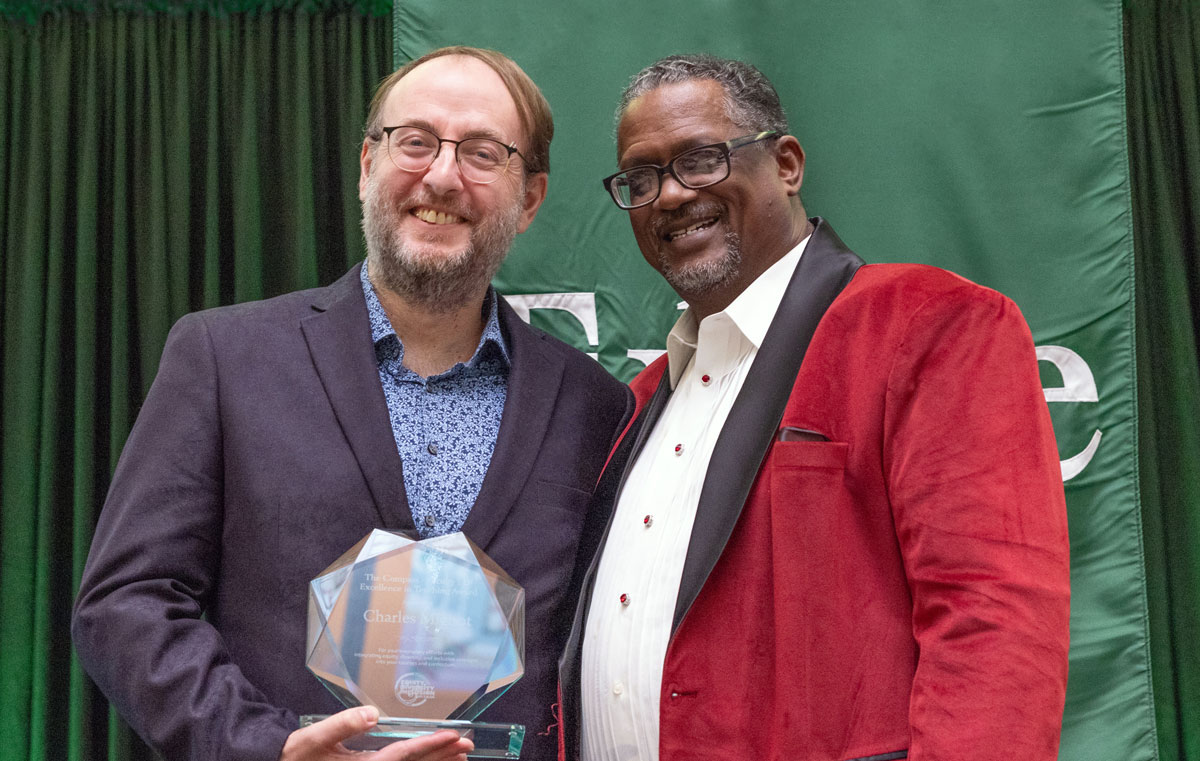
Tulane's annual Equity, Diversity & Inclusion Awards honor exceptional achievement and impact on advancing EDI awareness, knowledge, skills, and action across campus. This year, SLA professors Charles Mignot (pictured) and John “Ray” Proctor were awarded for their own significant efforts — in language learning and the performing arts, respectively — to create a more inclusive and accurate picture of the humanities and who they belong to.


Upcoming Programming for Student & Alumni

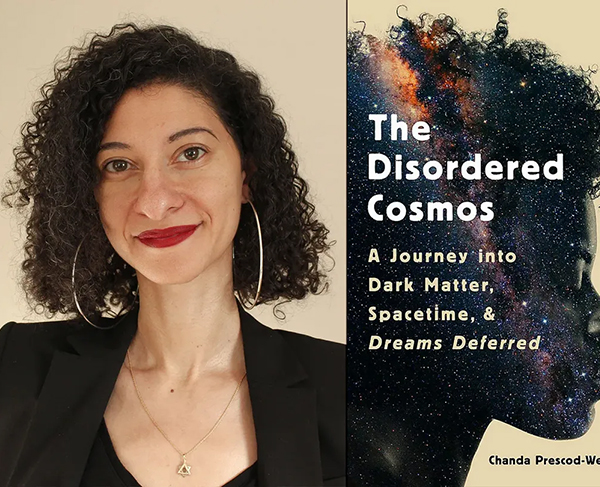
Chanda Prescod-Weinstein: The Disordered Cosmos

Spring 2024 Black Studies Book Club

The sixth of Africana Studies' Black Studies Book Club (BSBC) series features one of the leading physicists of her generation, Dr. Chanda Prescod-Weinstein, who will deliver a free public talk about her book, The Disordered Cosmos. Reception to follow.

Raven Ancar, Tulane University

2 Tulane Panels Feature SLA Alum Ray$av

New Orleanian rapper, singer, producer, and songwriter, Raven Ancar (SLA '22), a cum laude graduate in Sociology and Africana Studies, will speak during upcoming panels at signature university events: Black Alumni Weekend (BAW) and Women Making Waves.


February Faculty Achievements

Alexis Culotta, Tulane University

Art Historian & Computer Scientist Will Transform Digital Art Research

School of Liberal Arts' art historian Alexis Culotta, alongside Professor Aron Culotta of Tulane's SSE, received a $150,000 National Endowment for the Humanities (NEH) grant to develop an interactive platform that visualizes connections between artworks and artists. Theirs is one of only 15 such Digital Humanities Advancement grants awarded, for a tool aimed at students & scholars alike.

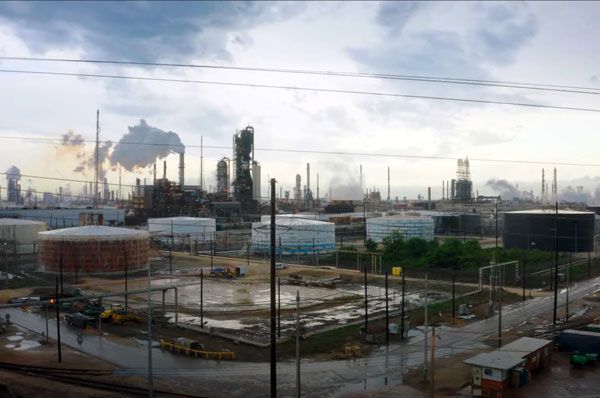
Still from Casey Beck's film, 'Smells Like'

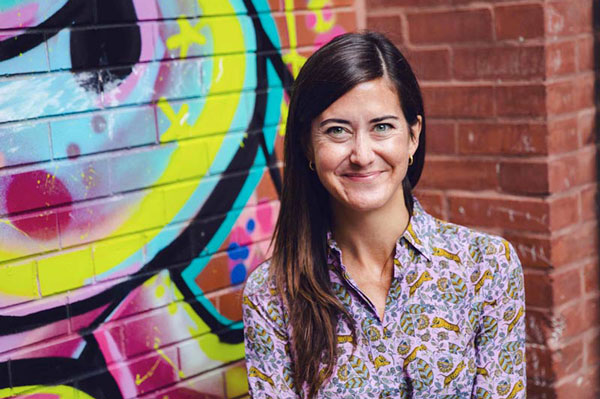
DMP Professor & Director's Film Published by Amnesty International

Digital Media Practices (DMP) program director Casey Beck's 2023 short, "Smells Like," tells the poignant story of an activist fighting for his community’s right to clean air. In January, Amnesty International published the film as part of a larger report detailing the health & human rights consequences posed, by U.S. toxic petrochemical pollution, for those living along the Houston Ship Channel.


Attention Great Literature Lovers

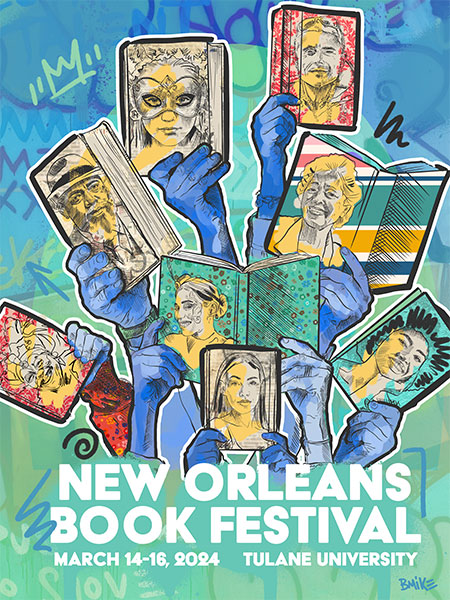
Poster for New Orleans Bookfestival, March 14–16, 2024

Special Book Festival Announcement

#ICYMI, the New Orleans Book Festival at Tulane University just announced its collaboration with 2024 official national media partner, The Atlantic!    

On March 14, an opening session of the 3-day weekend will feature festival co-chair & Leonard Lauder Professor of History Walter Isaacson in discussion with Jeffrey Goldberg, Editor-in-Chief at The Atlantic, and the announcement of a major editorial initiative focused on the great novels of the last century.

 "At this year's New Orleans Book Festival, we are taking a look at the last 100 years of literature, and unveiling a significant editorial initiative that attempts to establish a new American literary canon, one that we hope will be discussed and debated for years to come.” -Goldberg


2024 Summer Courses at Tulane University School of Liberal Arts

Level Up With Our Boutique Summer Courses

  • - Race & Prison in Public Policy
  • - Food System Leadership in the Gulf South - 
     
  • - The Doctor as Author - Native America on Stage & Screen - 
     
  • - Disability Justice and Healthcare
  • - Business of Sports -

With remote courses across three separate sessions, including a dozen NEW special topics classes like these, #SummerLiberalArts has something for everyone.


Facebook
X, formally known as twitter
Instagram

Tulane University School of Liberal Arts

Tulane School of Liberal Arts

102 Newcomb Hall • New Orleans, LA 70118        
liberalarts.tulane.edu 

New Semester, New Excitement – January 24 Newsletter

Tulane School of Liberal Arts Newsletter, January 24, 2023

New Semester, New Excitement

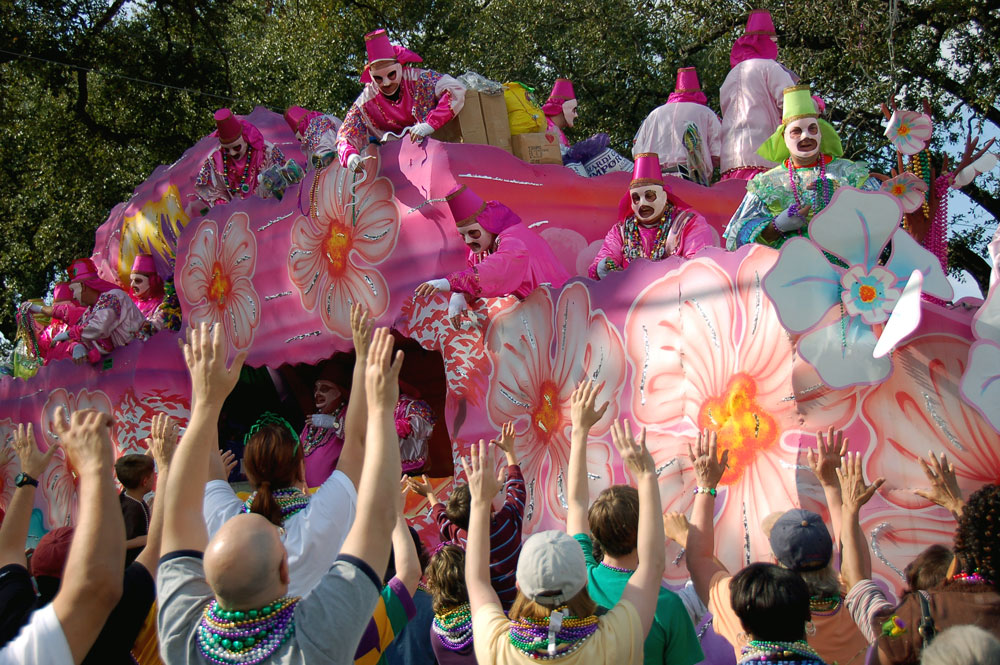
Mardi Gras Revelers

Beads, Revelry, and Revenue

An important Mardi Gras economic impact study was recently spearheaded by our own Toni Weiss, Senior Professor of Practice in Economics, whose research revealed that the 2023 Carnival season generated an impressive $900M for New Orleans' financial landscape. Commissioned for the fourth time by the Mayor’s Mardi Gras Advisory Council, Weiss embodies Tulane’s commitment to impactful, community-engaged research.


Subject Matter Experts – Faculty Research

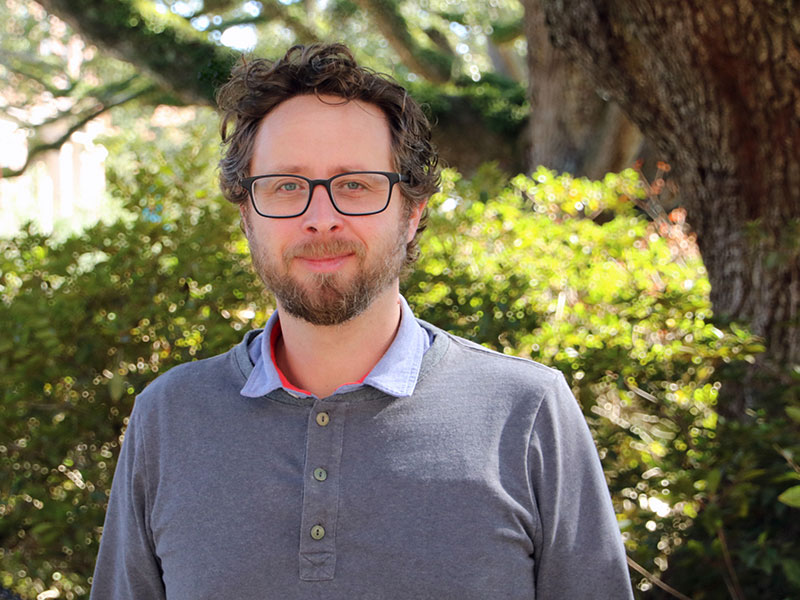
Burnston, Tulane Philosophy and Director of Cognitive Studies

Mapping Inner Worlds: Representational Spaces and Mental Life

A trio of researchers—including Daniel Burnston, Associate Professor of Philosophy and Director of Cognitive Studies—won $165,000 in funding from the RCSA Scialog: Molecular Basis of Cognition initiative to advance our understanding of the mind.

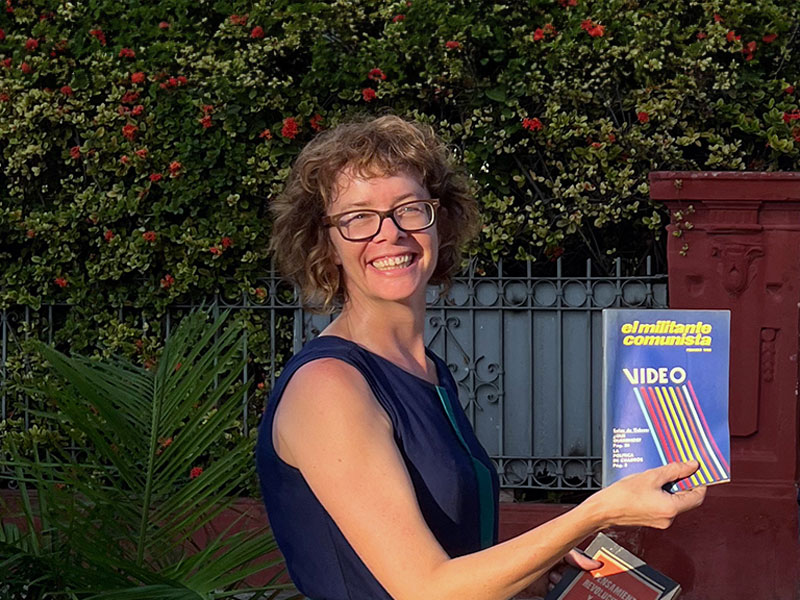
Laura-Zoë Humphreys, Communication at Tulane University

Exploring Gender Dynamics in Cuban Media Piracy

Currently on site in Havana, Associate Professor of Communication Laura-Zoë Humphreys is using an $88,000 grant from the National Science Foundation to explore Cuban media piracy, including how gender dynamics intersect with this phenomenon.


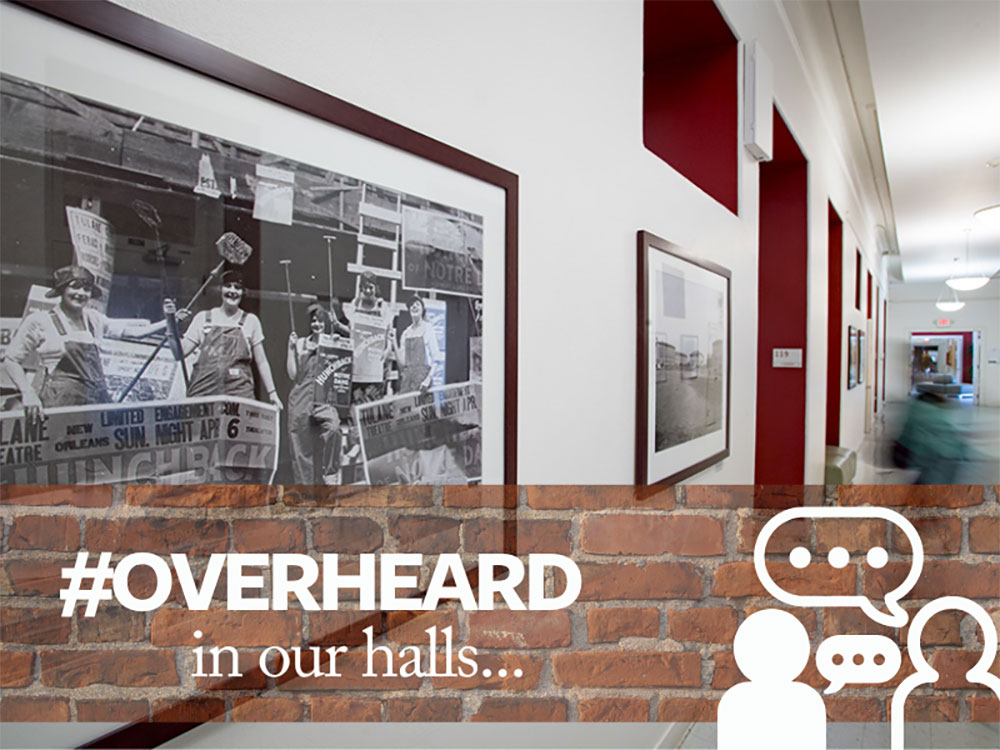
Overheard in Our Halls

Hallway of Newcomb Hall with type treatment #overheard in our halls

Something new for our readers this year! If you’re interested in the significant breadth of Tulane Liberal Arts—with 35+ academic departments, interdisciplinary programs, and allied centers—this will be our hub for timely recommendations from students, faculty, and staff. Bookmark it for an ongoing list of contributions from our community.


Virtual Series: Dismantling Anti-Black Racism

Dr. Andrea Boyles, Associate Dean for Equity, Diversity, and Belonging, kicks off a virtual 3-part Black History Month series by Tulane Office of EDI.          
In this session, attendees will learn key occurrences, social constructs, terms, and definitions distinct to Black experiences and pervasive anti-Black racism. They'll also hear strategies for disrupting anti-Black racism in living, learning, and working environments, and gain knowledge about abolitionists and contemporary resistance movements.
Thursday, February 8, 12:00 pm – 1:00 pm

Andrea Boyles, School of Liberal Arts Associate Dean for Equity, Diversity, and Belonging
Mardi Gras omedy & Tragedy Masks

Look out for the Tulane University Marching Band on the parade route this Mardi Gras season:

February 2 - Krewe of Cleopatra, Uptown New Orleans  
February 10 - Mystics of Time, Mobile, AL  
February 12 - Krewe of Orpheus, Uptown New Orleans

Flyer for the New Orleans Book Festival at Tulane; March 14-16, 2024. Free and open to the public

Book Fest is Back

More than 100 bestselling and acclaimed authors—including our professors Jesmyn Ward and Walter Isaacson, and initial Carole Barnette Boudreaux ’65 Great Writers Series guest, Pulitzer-winner Viet Nguyen—will take to stages across campus this March.

Graduating Students at commencement

Save the Date: 2024 Commencement

We can’t wait to celebrate the Class of 2024! Our School of Liberal Arts undergraduate diploma ceremony is scheduled for Friday, May 17, at 6:30pm, in Yulman Stadium. All details will be posted to this website as information is finalized.


2024 Summer Courses at Tulane University School of Liberal Arts

Level Up With Our Boutique Summer Courses

- Race & Prison in Public Policy - Food System Leadership in the Gulf South -         
- The Doctor as Author - Native America on Stage & Screen -         
- Disability Justice and Healthcare - Business of Sports -

With remote courses across three separate sessions, including a dozen NEW special topics classes like these, #SummerLiberalArts has something for everyone.


Facebook
X, formally known as twitter
Instagram

Tulane University School of Liberal Arts

Tulane School of Liberal Arts

102 Newcomb Hall • New Orleans, LA 70118          
liberalarts.tulane.edu 

Subscribe to